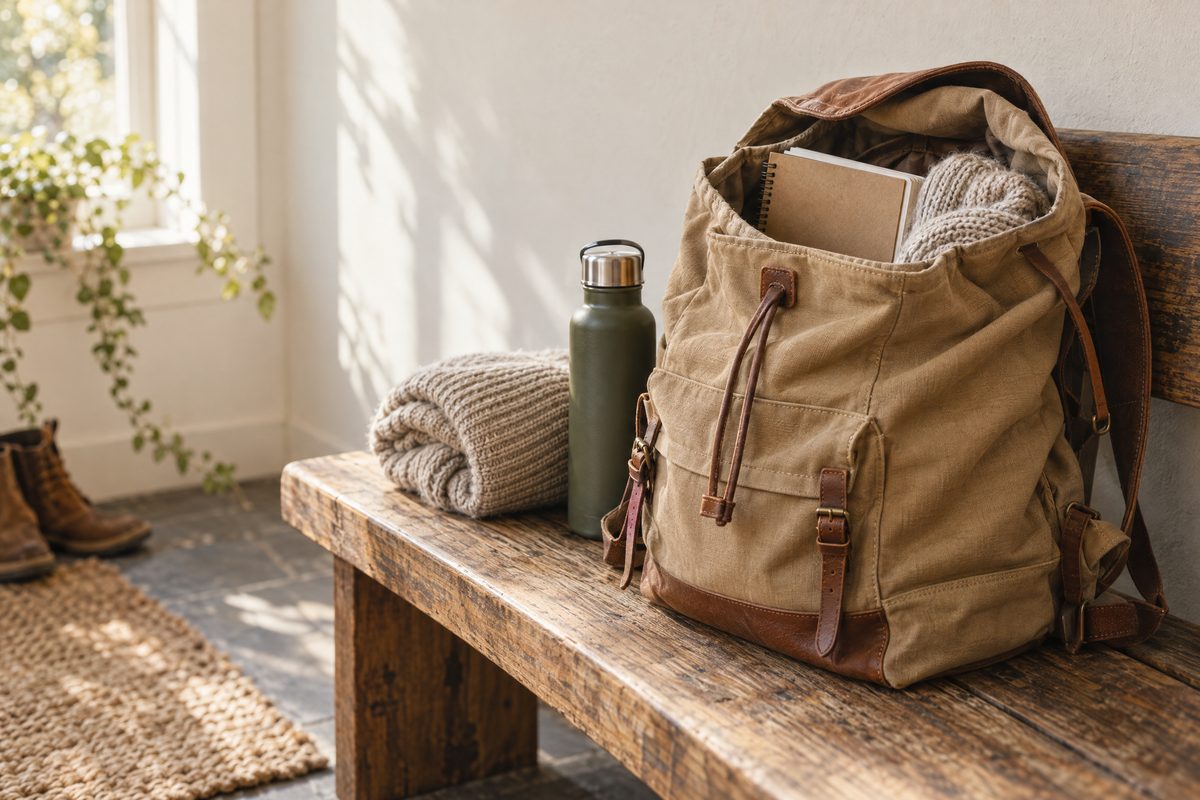
Choosing the right bag for the day makes small routines feel easier. An everyday backpack can be the workhorse of your daily carry — tough enough for commuting, tidy enough for the office, and comfortable for errands or a quick weekend jaunt.
Why pick an everyday backpack?
An everyday backpack keeps your hands free, balances weight across both shoulders, and organizes what you need for work and life. If you’re switching from a tote or shoulder bag, a backpack for work can reduce shoulder strain and make commuting simpler. For folks who like to be ready for whatever the day brings, a daily backpack is often the most practical choice.
Backpack styles vary, and our selection of backpacks includes canvas and leather options that fit different tastes and routines.
Everyday backpack: size, fit, and capacity
Choosing the right size and fit is the first step. A pack that’s too big looks sloppy and encourages overpacking; one that’s too small won’t hold your essentials.
How to think about size
- Small (10–15 liters): great for light days, small wallets, and a few essentials.
- Medium (16–25 liters): the most common daily backpack — fits a tablet or 13" laptop, lunch, and extras.
- Large (26+ liters): for those who carry a full-size laptop, books, or plan to tuck in a light jacket.
Fit and comfort
- Shoulder straps should be padded and adjustable.
- Look for a back panel with some padding for airflow.
- Try it on with weight inside to check how it rides on your back.
How much you’ll really carry
Here’s a quick checklist to test whether a pack fits your day:
- Laptop or tablet (include sleeve size)
- Charger and cables
- Wallet, keys, phone
- Water bottle
- Small lunch or snacks
- Notebook or paperback book
- Compact umbrella or light jacket
If your list is most of the items above, a medium (16–25 L) daily backpack is a solid bet.
Everyday backpack features to prioritize
When browsing, focus on a few practical features that make life easier.
Key features
- Laptop sleeve: a padded, snug sleeve protects electronics.
- Organization pockets: small pockets for keys, pens, and a phone keep things from getting lost at the bottom.
- Water bottle pocket: an exterior pocket helps keep liquids upright.
- Durable zippers and hardware: these fail long before fabric does.
- Weather resistance: canvas treated for water-shedding or coated PU helps on damp days.
Materials at a glance
| Material | Durability | Weight | Weather Resistance |
|---|---|---|---|
| Genuine cowhide | Very high | Medium–heavy | Moderate, needs care |
| Split leather / suede | Moderate | Medium | Lower (protect from rain) |
| PU leather | Low–moderate | Light | Good (easy to wipe) |
| Canvas | High | Light–medium | Good (best if waxed) |
Each material has trade-offs. Leather shows patina and lasts long with care. Canvas is light, rugged, and suits a casual mercantile style.
We carry practical options across these materials, so whether you want a traditional canvas daily backpack or a leather pack with a work-ready feel, you can find a comfortable match.
How to choose a backpack for work and commuting
For many shoppers the backpack for work needs to strike a balance between office-appropriate and useful on the street.
What to look for in a work backpack
- Subtle styling: muted colors and clean lines pair well with business-casual clothes.
- Secure compartments: a zipped laptop sleeve and internal pockets keep things organized and safe.
- Quick-access pocket: a small front pocket for your phone, transit card, or sunglasses is handy.
- Comfort for the commute: breathable backing and good straps matter if your commute involves walking or public transit.
If you travel occasionally, consider stepping up to a compact travel bags piece like a small duffel or an overnight bag, but for day-to-day, a well-designed everyday backpack will do the job and pack away easily.
Style tips: daily backpack vs. tote or shoulder bag
- A backpack reads more casual than a tote but offers better weight distribution.
- If you want a more polished look, choose leather or a canvas bag with leather trim.
- For hands-free errands or biking, a backpack is safer and more practical than a shoulder bag.
Practical packing list for a daily commuter
- Morning: water bottle, packed lunch, phone + charger
- Work: laptop/tablet in sleeve, notebook, pens
- Extras: lightweight jacket, sunglasses, small cosmetic bag
Packing smart keeps the pack balanced and extends the life of your bag.
Care and maintenance for your everyday backpack
A little upkeep goes a long way, especially for leather and canvas.
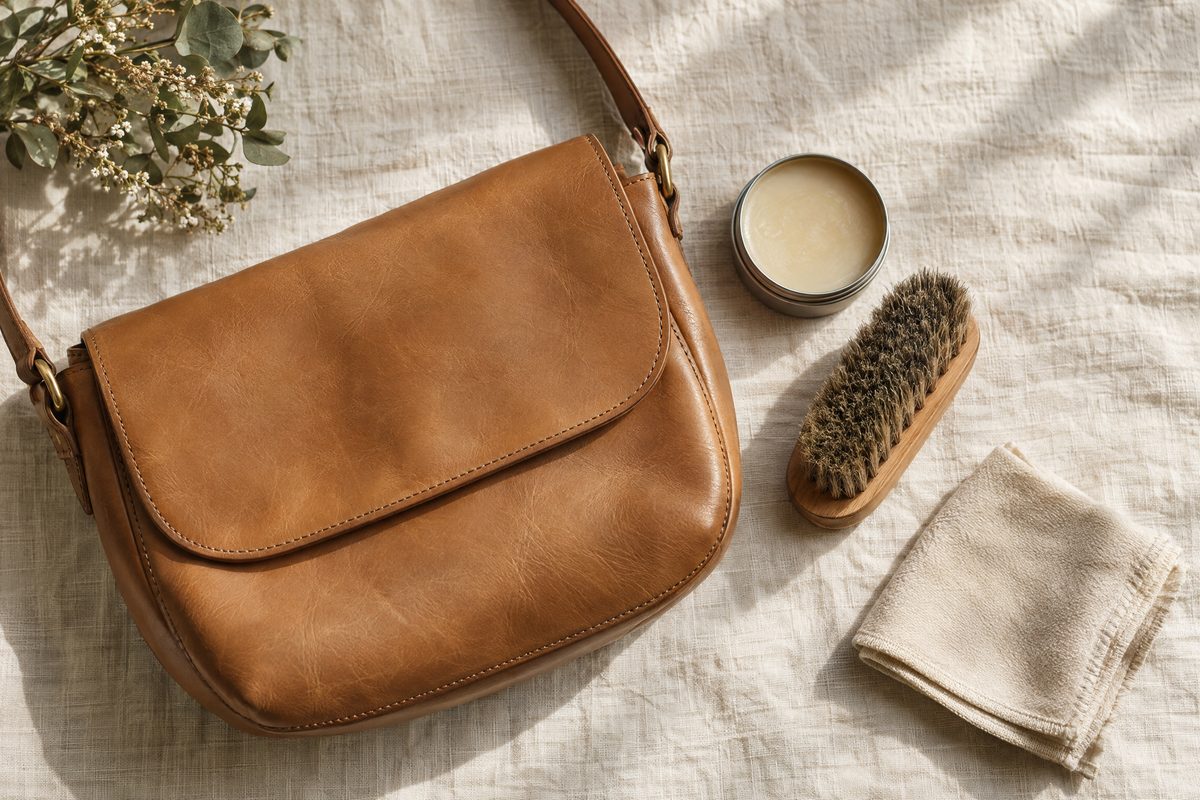
Leather care
- Wipe off dirt with a dry cloth; use a damp cloth for tougher grime.
- Condition occasionally with a product made for cowhide leather.
- Avoid soaking leather; if it gets wet, let it dry naturally away from direct heat.
Canvas and PU care
- Spot clean with mild soap and water.
- For waxed canvas, reapply wax as the fabric shows wear to maintain water resistance.
- PU leather wipes clean and is forgiving for everyday spills.
Quick repair tips
- Replace broken zipper pulls with compatible replacements rather than forcing a stuck zipper.
- Small tears in canvas can be sewn or patched; take heavier repairs to a local saddle or leather shop.
Budget and where to spend
You don’t need to overspend to get a reliable daily backpack. Here’s how to prioritize:
- Spend on the features you use daily (padded laptop sleeve, straps, durable zipper).
- Material choice affects price: genuine cowhide costs more but can last many years; canvas is a budget-friendly, durable option.
- Consider how often you use the bag. If it’s your daily pack, investing a bit more up front can save money over time.
We offer bags across a practical price range so you can choose based on need rather than hype.
Everyday backpack buying guide: quick checklist
- Does it hold your laptop and essentials without crowding?
- Are the straps and back comfortable for your commute?
- Does it have the pockets and security you want?
- Is the material suited to your climate and care habits?
- Does the style match how you want to present yourself at work or out running errands?
If the answer is yes to most of these, you’ve likely found the right pack.
Common mistakes to avoid when choosing an everyday backpack
Choosing the wrong pack is easy; avoiding a few common mistakes saves time and money. Use this checklist to steer clear of predictable issues when selecting an everyday backpack:
- Buying too big “just in case”: oversize packs encourage overpacking and shift weight away from your center. Match capacity to typical daily items.
- Ignoring strap comfort: thin, unpadded straps dig into shoulders. Test straps with weight loaded to ensure they stay comfortable for 30–60 minutes of walking.
- Overvaluing looks over function: a fashionable pack without a laptop sleeve or secure pockets can be impractical for daily use.
- Neglecting weather resistance: if you commute in wet weather, untreated leather or light canvas will soak and may damage contents. Choose waxed canvas, PU-coated fabrics, or treat leather.
- Forgetting to measure for fit: check torso length and hip alignment. A full pack should sit comfortably between your shoulder blades and hip bone.
Quick remedies: create a real packing list, try the pack loaded for at least 10 minutes, and verify return or warranty policies before buying.
Sizing and material guidance: choosing based on use
Selecting the right combination of size and material depends on how you use the bag. Below is a short comparison to align needs with capacity and fabric choices for an everyday backpack:
| Use case | Recommended size | Best material choice |
|---|---|---|
| Light city commute, tablet + phone | 10–15 L | PU leather or light canvas |
| Office commute, 13" laptop + lunch | 16–25 L | Canvas with leather trim or cowhide leather |
| Student or heavy daily load | 26–35 L | Heavy canvas or full leather with reinforced straps |
| Weekend carry / light travel | 30+ L | Waxed canvas or full-grain leather |
Sizing tips:
- Measure electronics: know your laptop’s diagonal and thickness and compare to the sleeve dimensions listed by the maker. Sleeve height should be 0.25–0.5 in larger than your device for ease of insertion.
- Consider carry weight: aim to keep everyday carry under about 10–15% of your body weight for comfort during walking commutes.
- Break-in expectations: leather will soften and conform over weeks; waxed canvas will show character and become more water-repellent when refreshed with wax.
Material guidance:
- Canvas is light, durable, and often easier to repair. Waxed canvas adds weather resistance but needs periodic re-waxing.
- Cowhide leather is exceptionally durable and ages well, but it requires conditioning and protection from prolonged rain.
- PU leather offers easy cleaning and uniform color at a lower price and weight.
Use the table and tips to match an everyday backpack to your routine rather than impulse.
Where to Find Yours
Tin Bucket Mercantile carries a thoughtful selection of backpacks that suit daily commuting, work, and everyday errands. Visit our shop in Dallas, Georgia at 222 Main Street, Dallas, GA 30132, or browse our collection online to compare styles and materials. For backpacks and other bags, start with our backpacks page or see shop all bags to view everything. If you have questions, please contact us — we’re happy to help you pick a practical, well-made everyday backpack.
For a little background on who we are and why we carry the pieces we do, read our story.
Frequently Asked Questions
How big of an everyday backpack should I get for commuting with a laptop?
For commuting with a laptop, a medium pack (16–25 L) is usually the best compromise. It fits a 13" laptop plus charger, a water bottle, and a small lunch without encouraging overpacking. If you regularly carry a 15" laptop with notebooks, consider 26 L to 30 L. Always measure your device and compare it to the backpack’s laptop sleeve dimensions; allow a small margin for a protective sleeve or laptop case.
Is leather or canvas better for an everyday backpack?
Both are excellent, but the right choice depends on priorities. Leather (especially cowhide) is long-lasting, develops a nice patina, and can look more polished for office settings; it needs conditioning and protection from excessive moisture. Canvas is lighter, often less expensive, and very durable; waxed canvas adds weather resistance and easy maintenance. For mixed use—office, errands, and occasional weather exposure—canvas with leather trim is a versatile compromise.
How can I keep my everyday backpack clean and odor-free?
Preventive care matters: use a small washable pouch for snacks, wipe spills immediately, and air the bag regularly with the main compartment open. For canvas, spot-clean with mild soap and water, and re-wax if you use waxed canvas. For leather, wipe with a dry cloth and condition occasionally; avoid soaking. To reduce odor, insert a breathable sachet of baking soda or activated charcoal in a pouch (not directly against leather) and replace it every few months.