Every leather bag deserves a little attention to stay useful and handsome. Whether you reach for a favorite shoulder bag from our shop or a sturdy travel duffel for weekend trips, this plainspoken guide to leather bag care covers daily cleaning, conditioning, stain fixes, and storage so your bag keeps its shape and color for years.
Basic leather bag care: daily habits
Good leather bag care starts with small, regular habits. A few minutes each day — or after a trip out — prevents grime and oils from setting in, and keeps your bag looking like something you enjoy carrying.
- Wipe the surface with a soft, dry cloth after use to remove dust and dirt.
- Keep liquids and lotions in a separate pouch inside the bag to avoid accidental spills.
- Don’t overstuff: overloading stretches seams and distorts shape.
- Rotate bags if you use more than one; regular rest helps materials breathe.
Quick wipe-down
A soft microfiber or cotton cloth is your first line of defense. For light dirt, buff the leather gently in circular motions. This simple step goes a long way to preserve finishes and prevents the need for aggressive cleaning later.
Watch for common hazards
Avoid leaving a leather bag in direct sun or near heaters. Heat can dry leather and cause cracking. If your outing includes rain, use a protective top layer (an umbrella or water-resistant bag cover) and dry the bag promptly with a cloth.
These basic leather bag care habits keep daily wear mellow and reduce how often you’ll need deep cleaning.
Deep cleaning and conditioning for leather bag care
Every few months — more often if you use the bag daily — plan a deeper clean and condition. Deep cleaning removes built-up oils and grime; conditioning restores suppleness and protects against drying.
What you’ll need
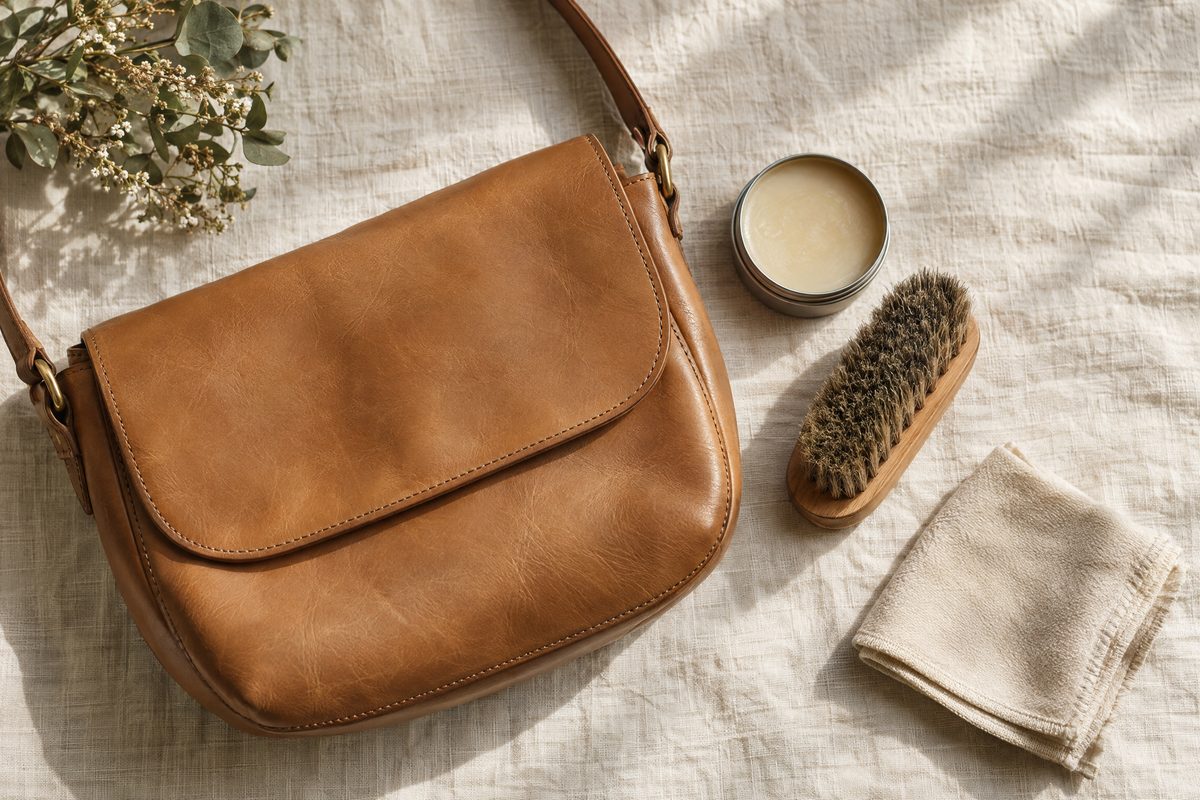
- Soft brush or vacuum with brush attachment
- Mild saddle soap or a gentle leather cleaner
- Clean, lint-free cloths
- Quality leather conditioner (suitable for the leather type)
- Optional: leather protectant spray
Step-by-step: how to clean leather bag safely
- Empty the bag and shake out crumbs. Use a vacuum brush or cloth to remove debris from seams and pockets.
- Test: always spot-test any cleaner or conditioner in an inconspicuous area to check for color change.
- Apply cleaner sparingly to a cloth (not directly onto leather). Work in gentle circles to lift dirt.
- Wipe away residue with a damp cloth, then pat dry with a soft towel.
- Let the leather air-dry naturally — never use high heat.
- Apply a thin, even layer of leather conditioner once the bag is dry. Gently buff to absorb.
A clean leather bag looks brighter and wears better. When you condition, choose a product appropriate for the type of leather — smooth cowhide, suede, or PU leather all have different needs. For suede, use a suede brush and avoid liquid conditioners.
| Product | Use for | Notes |
|---|---|---|
| Mild leather cleaner / saddle soap | Smooth leather | Removes dirt; always test first |
| Suede brush | Suede | Restores nap without wetting |
| Leather conditioner | Smooth leather, split leather | Replenishes oils and flexibility |
| Protectant spray | All leather types (product dependent) | Adds water resistance; test first |
How often to condition
For bags you use daily, condition every 3–6 months. If you live in a dry climate or notice the leather stiffening, condition sooner. Over-conditioning can darken some finishes, so apply sparingly and test first.
Protecting and storing your leather shoulder bag
A little planning protects a shoulder bag from the things that commonly shorten leather’s life. Good leather bag maintenance includes safe storage, protection from moisture, and keeping shape.
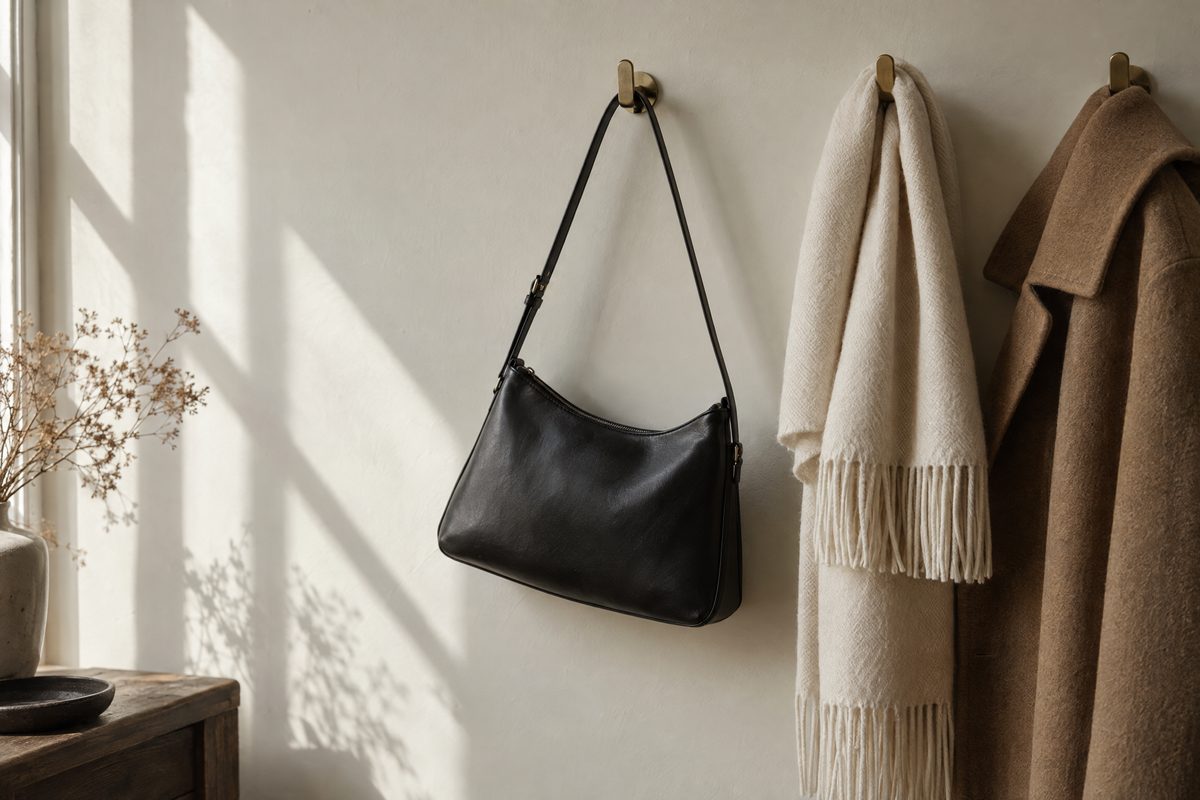
- Store in a cool, dry place away from direct sunlight.
- Stuff the bag with acid-free tissue paper or a soft towel to retain shape when not in use.
- Use a dust bag or breathable cotton pillowcase instead of plastic, which traps moisture.
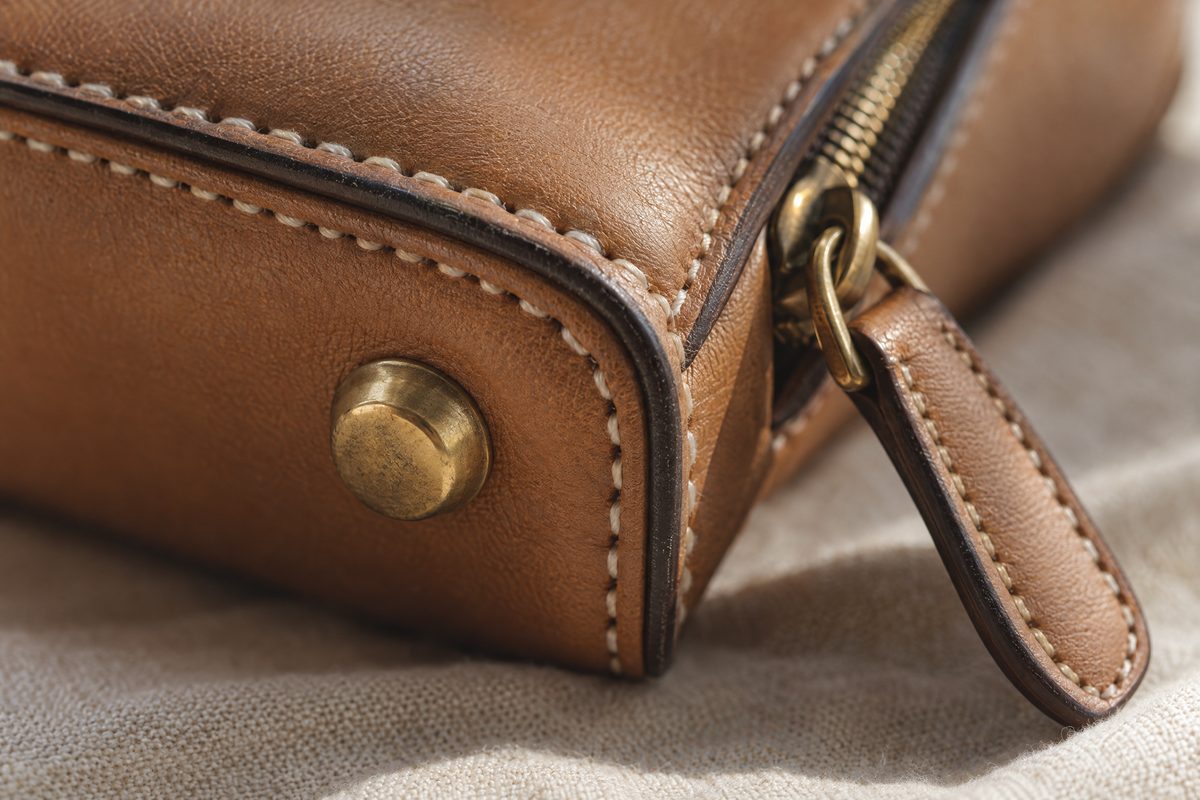
- Keep hardware clean and dry; wipe metal pieces to prevent corrosion.
If you own one of our shoulder bags, these steps help preserve the straps and seams that get the most wear. For larger pieces like duffels, consult the cleaning and conditioning guidance above and treat zippers and seams with care.
Travel and weather tips
When traveling with leather, pack inside a sturdy box or a padded compartment to avoid crushing. If your bag gets wet, blot the moisture with a towel and let it dry at room temperature. Once dry, gently condition to restore suppleness.
Spot cleaning: removing stains and scuffs
Not all stains are equal, but many can be treated at home with care. The key is to act promptly and avoid harsh chemicals.
- Grease or oil: Blot immediately with a clean cloth. Sprinkle cornstarch or talcum powder on the spot and let sit overnight to absorb oil. Brush off gently and clean as above.
- Ink: Ink can be stubborn. Lightly dab with isopropyl alcohol on a cotton swab and test in an unseen spot first. For good-quality leather, consider a professional if the stain is large.
- Water marks: Let the leather dry naturally, then apply a small amount of conditioner to even out color.
If a clean leather bag still shows marks after careful at-home steps, a professional repairer can often help without replacing the whole piece.
When to seek professional help
Some problems—deep-set stains, serious scratches, structural seam damage, or mold—are best handled by a pro. Leather repair specialists can recolor, recondition, or re-stitch without compromising the original lines of the bag. If you’re unsure, it’s worth getting a consult rather than risking irreversible damage.
Everyday leather bag maintenance checklist
- Wipe down after each use with a soft cloth.
- Condition every 3–6 months for regular-use bags.
- Store filled and covered in a breathable bag.
- Treat spills quickly; avoid rubbing vigorously.
- Rotate use between bags when possible.
These chores are small but they add up. With consistent leather bag maintenance, a well-made bag becomes more of a companion than a commodity.
Leather types and how they affect care
Different leathers demand slightly different approaches in leather bag care. Below is a quick comparison to help you choose the right products and frequency for the leather you own.
| Leather type | Typical care needs | Quick tip |
|---|---|---|
| Full-grain | Clean gently; condition occasionally | Ages beautifully; less finishing means more natural marks |
| Top-grain | Moderate cleaning and conditioning | Often treated—test before conditioning |
| Smooth cowhide | Regular cleaning; conditioner every few months | Pairs well with mild saddle soap |
| Suede / Nubuck | No liquid conditioners; use suede brush and eraser | Protect with spray designed for suede |
| Vegetable-tanned | Clean gently; condition with neutral oils sparingly | Can darken with some conditioners; test first |
| Faux leather | Wipe with damp cloth; avoid heavy conditioners | Many protectants are unnecessary and can cause stickiness |
When selecting products, always spot-test. Proper labeling will often indicate whether a cleaner or conditioner is intended for a specific finish. Integrating a brief routine based on the table above into your leather bag care practice will reduce surprises and preserve the look you like.
Common mistakes to avoid
A few habits can undo careful leather bag care faster than neglect. Avoid these common mistakes:
- Applying too much conditioner or oil; over-saturating can darken or soften leather unevenly.
- Using household cleaners (like bleach or harsh detergents) that strip natural oils.
- Storing in plastic or sealed containers that trap moisture and encourage mildew.
- Leaving wet items or liquids inside the bag; damp interiors can stain and encourage odor.
- Rubbing aggressively at stains — this can remove finish or push grime deeper into pores.
Being mindful of these errors helps your leather bag maintenance stay effective and keeps repairs minimal.
Where to Find Yours
If you’re looking for a shoulder bag that’s meant for everyday life, Tin Bucket Mercantile carries practical styles built for use and easy care. Visit our online shop to browse shop all bags, or stop by our Dallas, Georgia storefront at 222 Main Street, Dallas, GA 30132. For questions about a specific style or care tips for a piece you already own, please contact us or call +1 404-409-5154.
We’re a small-town mercantile and we like practical leather that works. If you’d like one-on-one advice about leather bag care for a piece you love, we’re happy to help.
Frequently Asked Questions
How often should I clean my leather bag?
For most everyday leather bags, a light wipe-down after each use and a deeper clean every few months is sufficient. If you carry the bag daily, aim to condition it every 3–6 months to replenish natural oils and prevent drying. In humid or very dry climates, adjust frequency: condition more often in dry areas and inspect for mold or mildew in damp conditions. Always spot-test products and follow the care guidance for your leather type.
Can I use household products like vinegar or olive oil to condition leather?
It’s not recommended. While vinegar can be useful in some diluted cleaning mixes, it’s acidic and can dry or alter finishes if used improperly. Olive oil and other kitchen oils may darken leather, attract dust, and leave a sticky residue that’s hard to remove. Instead, choose products labeled for leather care and test them on an inconspicuous area. Using the right cleaner and conditioner protects the leather’s finish and color without unintended side effects.
How do I remove mold from a leather bag?
If you spot light mold, take the bag outside and brush off loose spores with a soft brush. Wipe the affected area with a cloth lightly dampened with a 50/50 mix of water and isopropyl alcohol, then let it dry naturally in a well-ventilated area away from direct sun. After drying, apply a small amount of conditioner to restore oils. For extensive mold, pervasive odor, or structural damage, consult a professional — they can properly sanitize and repair without harming the leather.