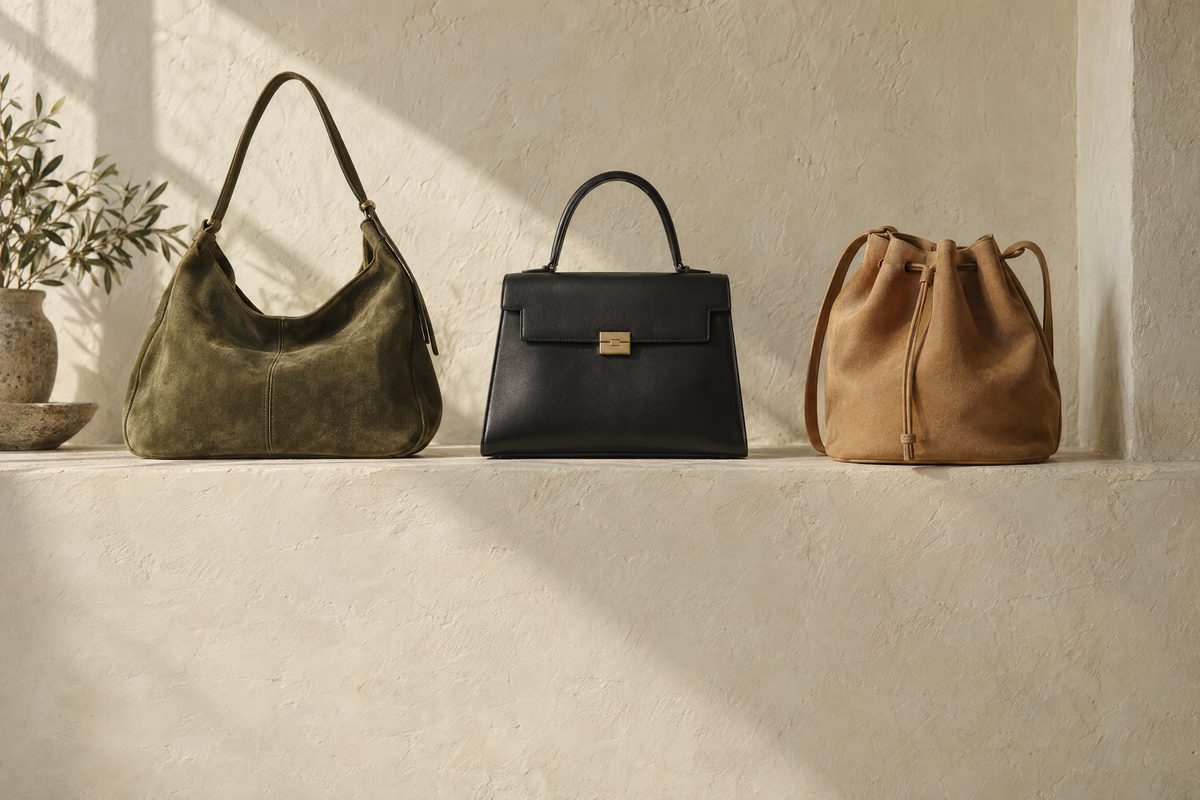
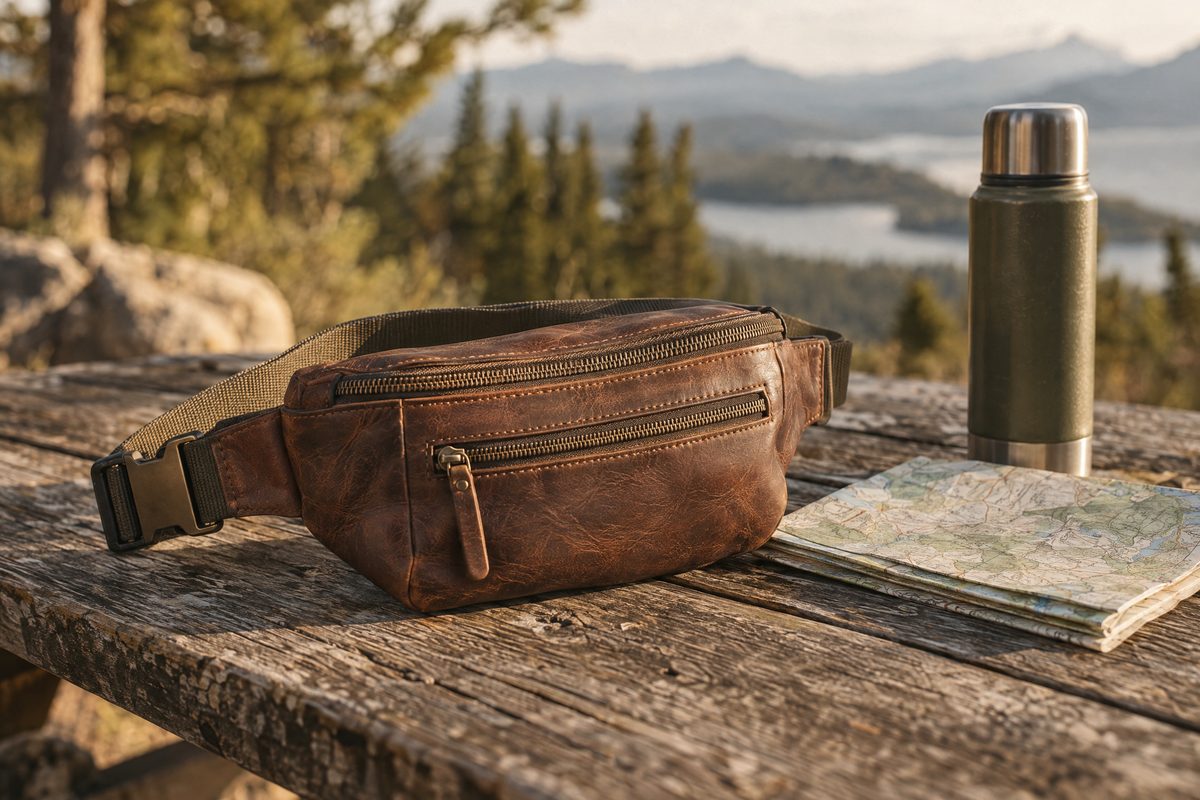
Waist bags are one of those quietly useful pieces that make running errands, traveling, or walking the dog easier without getting in the way. If you’re wondering how to wear a waist bag so it looks intentional and fits your everyday life, this guide lays out three easy styles and styling tips you can use right away.
How to Wear a Waist Bag: 3 Practical Ways
There are three go-to ways to wear a waist bag: around your waist (classic), across your chest as a crossbody waist bag, and slung over a shoulder like a small shoulder bag. Each has its own look and function—here’s how to make each one work for you.
1) Around the Waist: The Classic Fanny Pack Outfit
Wearing a waist bag around the waist is the original styling, and it’s still great when you want hands-free convenience with quick access. This is a true fanny pack outfit moment.
- Best for: quick errands, walking the dog, festivals, markets.
- How to style: pair a low-slung waist bag with a tucked or cropped top so the bag reads as part of your outfit rather than a bulky add-on.
Fit & placement
- Sit the bag comfortably on your hip or just in front of your belly button—where it feels secure and doesn’t bounce when you walk.
- Adjust the strap so the bag hugs your body without digging in.
Outfit ideas
- Jeans, a plain tee, and canvas sneakers for a casual weekday look.
- A summer dress with a slim waist bag for hands-free farmers’ market runs.
2) Crossbody Waist Bag: Modern and Practical
Wearing your waist bag as a crossbody waist bag across the chest or back gives a modern, street-ready silhouette and extra security.
- Best for: travel, crowded places, biking, commutes.
- How to style: wear it across your chest for easy access or across your back for a sleeker profile.
Placement tips
- Chest carry: center the bag to rest near your sternum so you can open it without removing the strap.
- Back carry: put the bag between your shoulder blades for minimal interference while walking.
Security and accessibility
- A crossbody position makes pickpocketing less likely and keeps contents closer to your sightline.
- Tuck your strap under a jacket or across your shoulder for added security in busy areas.
3) Over the Shoulder: A Casual Sling
If you want a softer, less sporty look, sling a waist bag over one shoulder like a small shoulder bag. This is a great middle ground between waist and crossbody.
- Best for: coffee runs, casual meetups, days when you carry slightly more than essentials.
- How to style: wear with a light sweater or blazer; choose a bag in leather or canvas to complement the rest of your outfit.
Comfort and balance
- Let the bag sit near your hip or under your arm; adjust strap length so it doesn’t pull on your shoulder.
- If the bag feels heavy, switch to a crossbody carry to redistribute weight.
Style Tips: Making a Fanny Pack Outfit Look Intentional
Knowing how to wear a waist bag is part function and part styling. Here are small adjustments that make a big difference.
Match materials to your outfit
- Leather or suede waist bags pair nicely with denim and fall layers.
- Canvas looks great with casual, outdoorsy outfits.
Keep proportions right
- If you’re wearing a bulkier coat, choose a flatter waist bag so it tucks beneath layers.
- For spring and summer outfits, try a slightly chunkier bag in a lighter material for visual interest.
Color and detail choices
- Neutral bags (tan, black, olive) are workhorse pieces that go with most outfits.
- A bag with brass hardware or stitched detail can act like a small accessory and elevate a simple look.
Quick checklist: What to carry in a waist bag
- Phone
- Wallet or a slim card case
- Keys
- Lip balm and hand sanitizer
- Small pack of tissues
This short list keeps your waist bag light and comfortable while still carrying essentials.
Packing, Care, and Choosing the Right Waist Bag
Knowing how to wear a waist bag also means picking the right size and taking care of it so it lasts.
Choosing the right size and material
- Small (fits phone + cards): good for light errands and nights out.
- Medium (phone, small wallet, keys, small cosmetics): everyday comfort.
- Large (adds a thin water bottle, paperback): better for travel days.
| Use case | Best size | Best material |
|---|---|---|
| Quick errands | Small | Canvas or PU leather |
| Daily carry | Medium | Genuine leather or canvas |
| Travel/day trip | Large | Split leather or durable canvas |
Care tips by material
- Genuine leather: wipe with a soft, dry cloth; use a leather conditioner occasionally.
- Canvas: brush off dirt and spot-clean with a mild soap; avoid soaking.
- Suede: use a suede brush to lift dirt; keep away from water when possible.
Security and organization
- Keep valuable items in internal zip pockets if your bag has them.
- Use a slim card wallet rather than a full billfold to save space.
How to Wear a Waist Bag for Travel and Errands
When you’re out for a longer day, knowing how to wear a waist bag for travel can change how stress-free your day feels. A crossbody waist bag keeps essentials reachable, while a waist carry gives quick access and keeps your hands free.
- Travel tips:
- Keep your passport and travel documents in an internal zipped pocket.
- Layer your bag under a jacket for added theft protection on crowded trains.
- Carry a small charging cable and power bank if you use your phone for maps.
- Errand tips:
- A waist carry lets you bend, reach, and lift without the bag swinging behind you.
- If you’ll be doing a lot of walking, tuck the strap in so it doesn’t flap.
Quick Outfit Ideas (Real-life combos)
- Weekend market: denim jacket, midi dress, canvas waist bag around the waist.
- City commute: button-up shirt, straight-leg jeans, leather waist bag as a crossbody.
- Travel day: layerable tee, utility jacket, large canvas waist bag for easy access.
Crossbody Waist Bag vs. Traditional Shoulder Bag
A crossbody waist bag and a shoulder bag serve different needs. The crossbody waist bag is more secure and compact; the shoulder bag can carry more but may be slower to access. Pick the style that matches the day’s plans.
Common Mistakes to Avoid
When learning how to wear a waist bag, avoid these frequent missteps that can make the bag look accidental instead of intentional:
- Overstuffing: A bulging bag changes your silhouette and adds uncomfortable bounce. Stick to the essentials.
- Wrong strap length: Too loose and the bag swings; too tight and it digs in. Adjust for movement.
- Poor placement: Wearing the bag too low on the hip or too high on the ribs can look awkward. Test placement with movement.
- Mismatched materials: A sporty nylon bag can clash with a tailored blazer. Think about texture and context.
- Leaving zippers open: Always zip compartments and tuck straps when in crowded spaces.
These small adjustments help your bag feel like a deliberate part of the outfit.
Sizing & Fit Checklist
Use this practical checklist when choosing a waist bag or adjusting one you already own. It’s a quick way to apply guidance on how to wear a waist bag comfortably.
- Measure your waist and hips: try the bag at both spots—most people wear it on the hip; others prefer at the waistline.
- Check strap range: ensure the strap shortens enough for chest carry and lengthens enough to wear around the hips.
- Test with layers: try the bag over a jacket and under a coat to see how it sits and whether it adds bulk.
- Weight test: add the contents you normally carry and walk for 10 minutes. If it shifts a lot, choose a smaller size or switch to crossbody.
- Pocket test: confirm internal pockets fit your phone and essential cards without forcing zippers closed.
These steps make it easier to pick a bag that suits your body and routine.
Small Comparison Table: Materials at a Glance
| Material | Pros | Cons | Best for |
|---|---|---|---|
| Leather | Durable, ages well, dressier look | Heavier, needs care | Everyday carry, city commutes |
| Canvas | Lightweight, casual, easy to clean | Can stain, less formal | Markets, travel, outdoor use |
| Synthetic (PU) | Affordable, water-resistant | Less breathable, shorter lifespan | Budget-friendly option, rain-prone days |
This table helps you match material choice to how you intend to wear the bag and what you’ll carry.
Where to Find Yours
If you’re ready to try one of these styles, Tin Bucket Mercantile offers a thoughtful selection of waist bags in leather and canvas that are built for everyday life. Visit our Dallas, Georgia shop at 222 Main Street, Dallas, GA 30132, or browse our online selection at shop all bags. For questions about sizes or materials, feel free to contact us or stop by our store location to see and feel our pieces in person.
Tin Bucket Mercantile keeps things practical and honest—no fuss, just quality bags meant to be used. If you want to learn more about our small-town story, check out our story.
Frequently Asked Questions
Can I wear a waist bag with a dressier outfit?
Yes. Choosing the right material and size is the key. A slim leather or suede waist bag in a neutral color can look refined when paired with a tailored blazer or a midi dress. Keep the bag flat and avoid oversized, sporty styles. Subtle hardware and clean lines will make the bag read as an accessory rather than casual gear. Also consider wearing it around the waist or as a neat crossbody across the chest for a polished silhouette.
How tight should a waist bag be when worn crossbody?
When worn crossbody, the strap should be snug enough that the bag stays in place during movement but not so tight that it restricts breathing or shoulder movement. Aim for a fit where the bag rests near your sternum or just below it and you can comfortably reach the zipper. Leave a small amount of slack for layering under jackets—about one to two inches of adjustment room helps you switch between chest and hip carries.
What’s the safest way to carry valuables in a waist bag while traveling?
For travel, opt for a crossbody waist bag worn on your chest so you can keep an eye on zippers and pockets. Use internal zipped compartments for passports and cash, and keep a slim card holder rather than a bulky wallet. Layer the bag under a jacket in crowded areas for extra theft protection. Consider a bag with lockable zippers or a zip closure that tucks under a flap for added security while moving through busy transit hubs.