The shoulder bag is one of those everyday items that feels familiar the moment you sling it on — a quiet companion that carries a day's worth of work, errands, or travel. Tracing the shoulder bag history shows us more than fashion trends; it reveals how pockets, practicality, and material choices shaped a silhouette that keeps showing up on porches and in markets across the country.
The Shoulder Bag History: From Pouches to Practicality
The shoulder bag history begins in utility. Long before there was a notion of a "classic handbag," people carried small satchels and pouches to keep essentials safe while they worked. Over time, the practical needs of merchants, travelers, and homemakers influenced the handbag design history: more secure closures, straps that freed the hands, and materials that stood up to daily use.
By the 19th and early 20th centuries, the shoulder bag shape evolved into recognizable forms — longer straps, wider bodies, and compartments that made organization possible. Leather and canvas worked well for this purpose: durable, repairable, and able to soften with age. The result was a dependable companion rather than a fleeting fashion statement.
Why the history matters when you shop
Knowing the shoulder bag history helps you choose a bag that fits how you live. The features that lasted weren’t fads; they solved real problems. That’s why when you’re picking a shoulder bag (whether a roomy canvas tote, a leather saddle-style bag, or a compact everyday purse), look for the solutions that match your day-to-day needs.
Shoulder Bag History in Design: The Shape That Stuck
When we talk about shoulder bag history in design, we’re talking about decisions made for real life: strap length for comfort, body depth for capacity, and openings that balance access with security. The shoulder bag shape — a body that hangs close to the torso with a single or double strap — made sense across decades because it handled movement and weather without getting in the way.
Design milestones that mattered:
- Crossbody and single-strap iterations that allowed hands-free movement.
- Fold-over flaps and zipped closures to protect contents.
- Structured bottoms or internal panels to keep the bag upright.
These are the traits you’ll still see in many of our everyday shoulder bags. They’re rooted in sensible handbag design history rather than the whims of any single season.
The balance of form and function
A well-made shoulder bag balances a pleasing silhouette with useful details. The shoulder bag shape looks good on many body types, but it’s the interior organization and material choice that decide whether it earns a spot in your rotation. That’s why we like mixing canvas bodies with leather straps, or offering cowhide options that break in comfortably over time.
How Materials and Makers Shaped the Shoulder Bag
Materials played a big role in shoulder bag history. In small-town shops and on long trips, people needed bags that would stand up to real use. Here’s how common materials influenced the silhouette and longevity of shoulder bags:
| Material | Typical use | How it affected the shape |
|---|---|---|
| Canvas | Market bags, work totes | Soft, lightweight bodies that can be roomy without added weight |
| Genuine cowhide leather | Daily bags, saddle styles | Holds form, develops character, supports structured bottoms |
| Split leather & PU leather | Affordable everyday styles | Offers look and some structure at lower cost |
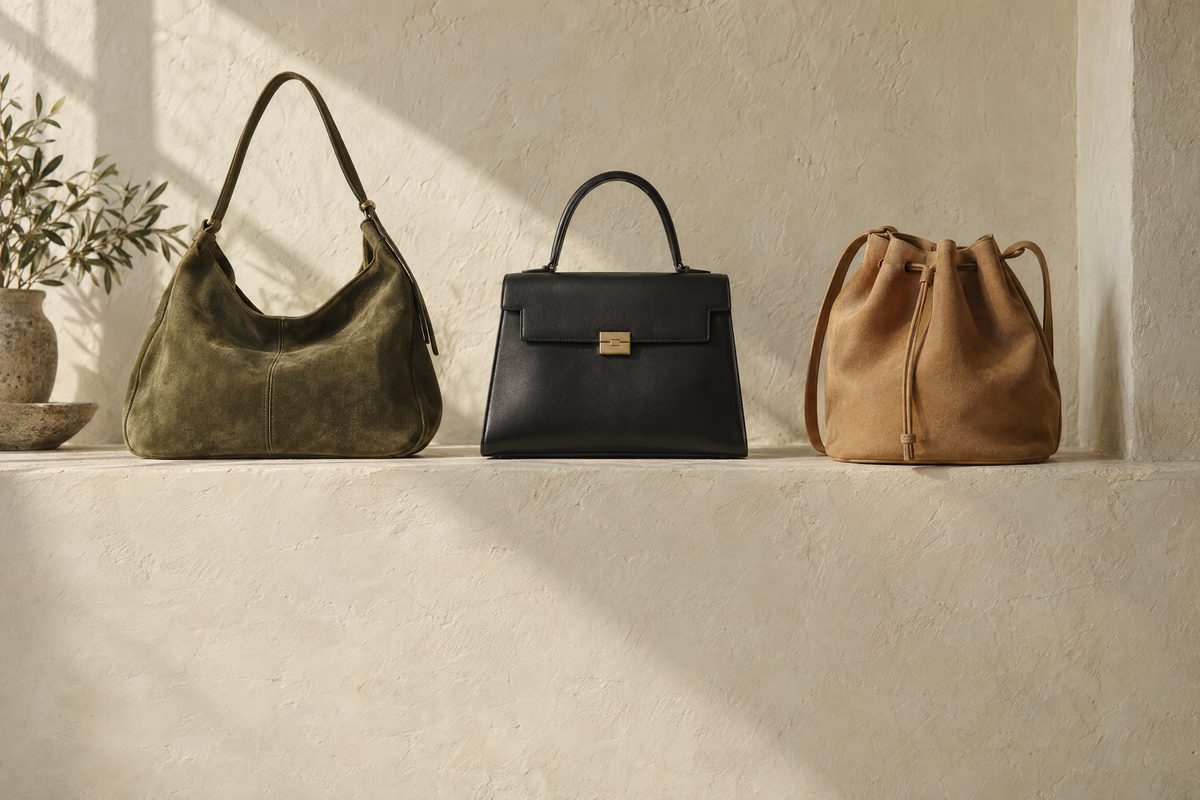
| Suede | Accent panels, relaxed silhouettes | Softer drape, more casual feel |
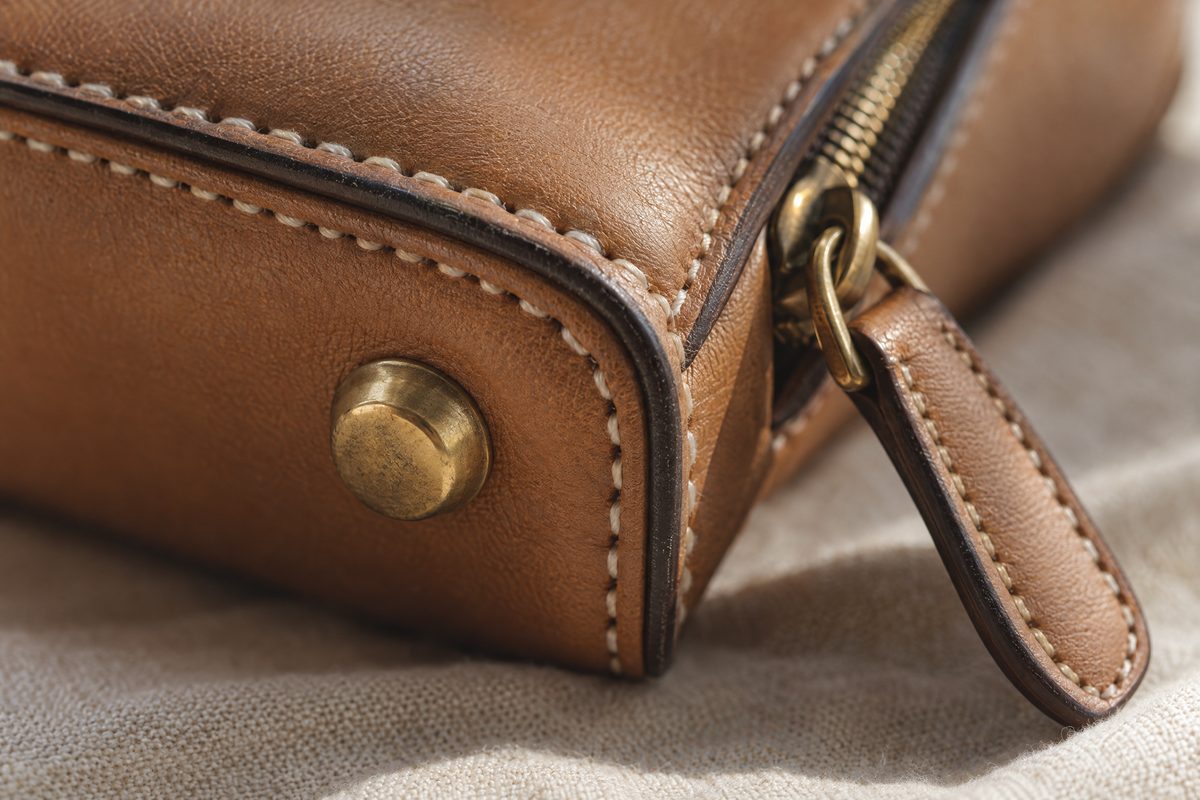
Artisans and small manufacturers also left their mark. Simple, repairable construction — hand-stitched seams, replaceable straps — came from makers who expected bags to be used and loved, not boxed away.
Durability vs. price: a practical look
If you want a bag that will be a daily companion, prioritize materials and construction over flashy extras. Here’s a short checklist to keep things practical:
- Check the strap attachment points for reinforced stitching.
- Look for lined interiors or at least a durable canvas lining.
- Choose hardware that is solid rather than purely decorative.
- Consider full-grain or top-grain leather for long-term use; split leather and PU are fine for lighter, lower-cost options.
These simple choices reflect the sensible path the shoulder bag history has taught us: durability and usefulness win out in the long run.
Choosing Your Shoulder Bag Today
Picking a shoulder bag now means thinking about how its shape and features meet your daily habits. The right bag is less about chasing a trend and more about matching function to your life.
Practical questions to ask yourself:
- What will you carry daily? (Tablet, water bottle, wallet, keys, notebook)
- Do you need pockets for small items or a single roomy compartment?
- How important is weather resistance or easy cleaning?
- Do you prefer a relaxed drape or a more structured shape?
How those answers guide you:
- If you carry lots of small items, look for internal pockets and zippered compartments.
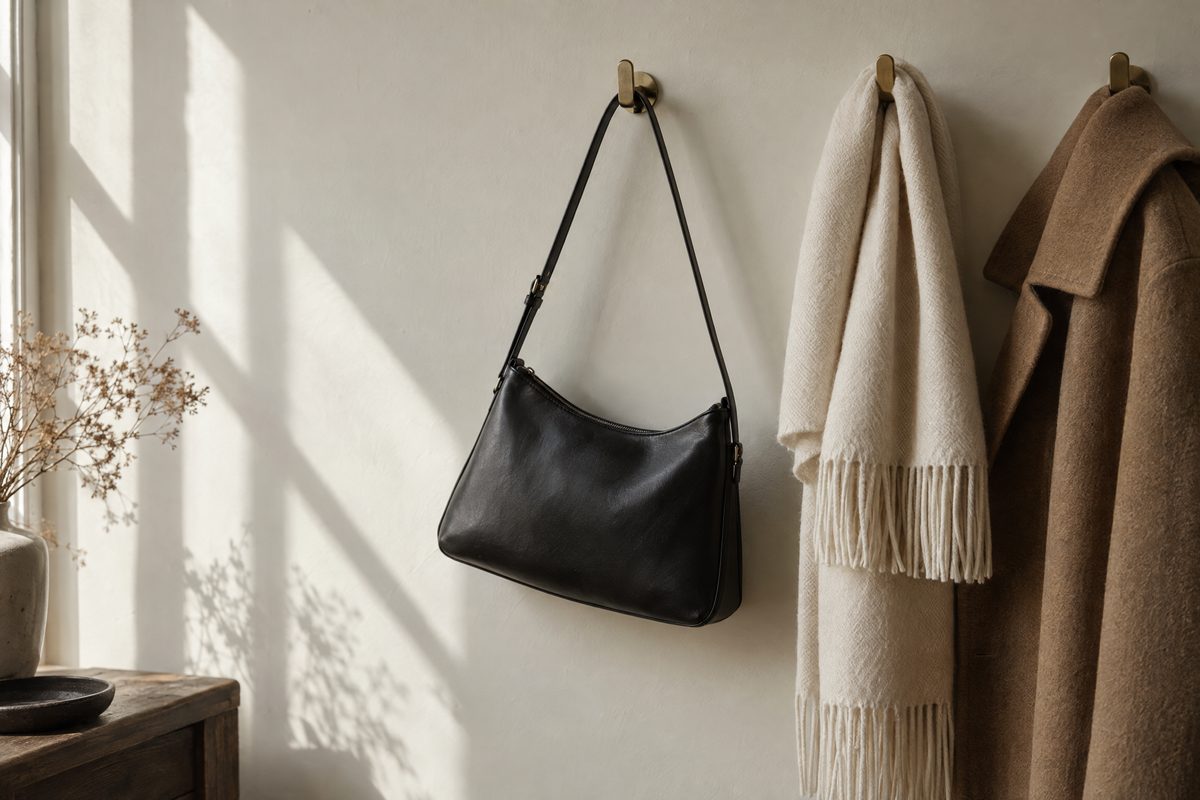
- For commuting or travel, prioritize a secure closure and a strap that fits over a coat.
- If you like a softer silhouette, suede or canvas can offer that relaxed shoulder bag shape.
A quick buying guide
- For everyday city use: structured cowhide shoulder bags with a zipper closure.
- For weekend errands: canvas shoulder bags with reinforced bottoms and pockets.
- For travel: crossbody or convertible shoulder bags that free the hands and stay close to the body.
Explore styles that fit these descriptions in our shoulder bags collection or see all options in the shop all bags section.
Caring for a Classic Handbag
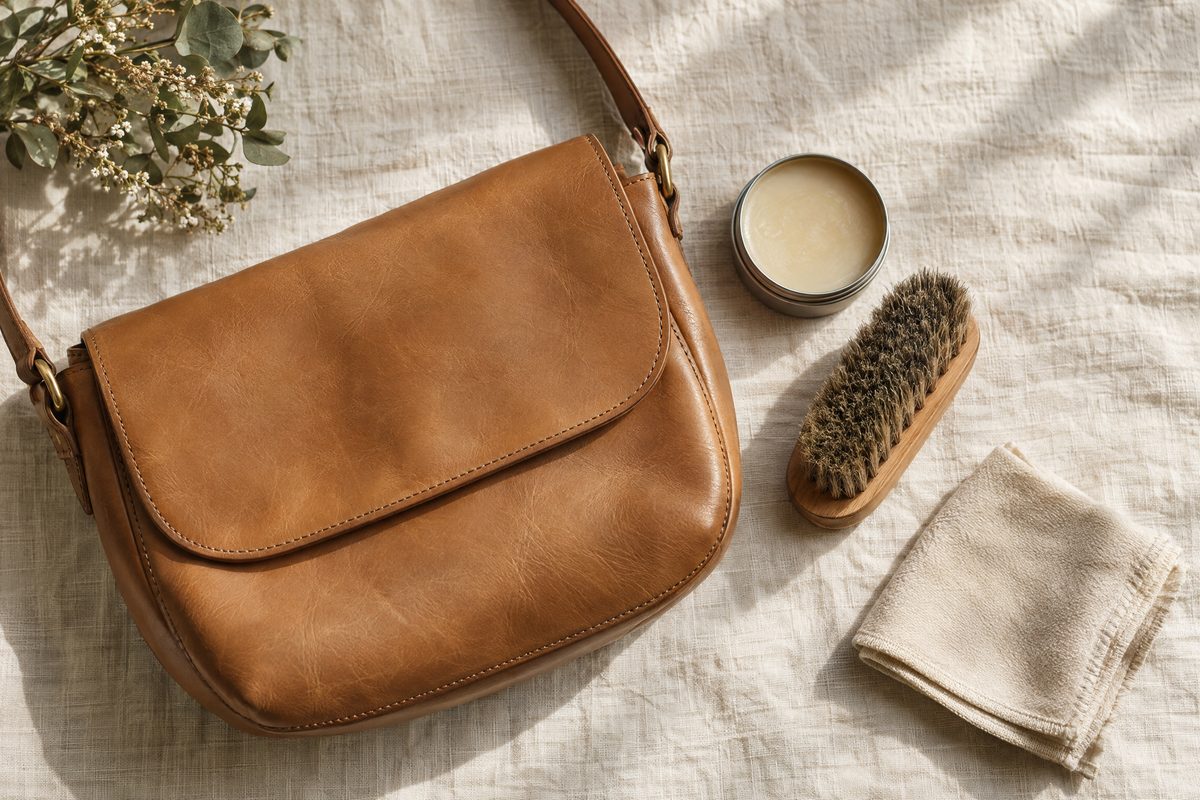
The term classic handbag gets used a lot, but care is what makes a bag truly classic. A few straightforward steps extend a bag’s life and keep its silhouette in good shape:
- Clean canvas with a soft brush and mild soap; avoid soaking.
- Condition full-grain leather occasionally with a leather conditioner to prevent drying.
- Keep wet suede away from heat; blot and let air dry naturally.
- Store bags loosely stuffed to preserve the shoulder bag shape.
Little habits — like emptying crumbs and wiping hardware — keep a bag looking tidy and functioning well for years.
Why Small-Batch Makes Sense
Shoulder bag history is also about community. Small-batch production and thoughtful sourcing echo the way mercantiles of the past served neighbors: with durable goods and helpful advice. When a maker prioritizes materials and simple repairs, you get a bag that’s meant to be used, mended if needed, and passed down.
That’s the kind of practical honesty we like to offer: products that do what they say they’ll do, without fuss.
Where to Find Yours
If the shoulder bag history appeals to you as a blend of usefulness and quiet style, you’ll find choices that honor that tradition at Tin Bucket Mercantile. Visit our Dallas, Georgia shop at 222 Main Street — or browse our selection online in the shop all bags. If you have questions or want a recommendation, feel free to contact us or stop by our store location to see materials and shapes in person.
Tin Bucket Mercantile is a small-town mercantile with a practical approach: honest materials, straightforward designs, and a staff happy to help you find a shoulder bag that will work for the years ahead.
If you’d like a quick suggestion, email us at [email protected] or call +1 404-409-5154 — we’re glad to talk through the details that turn a bag into a daily companion.