From seafaring decks to family road trips, the duffel bag history reads like a practical, no-frills story about usefulness. Here we trace how the duffel went from a sailor’s canvas sack to a reliable travel bag, look at how travel bag design evolved, and give honest tips for choosing the right weekend travel bag for your needs.
How a Duffel Bag Came to Be: duffel bag history
The phrase duffel bag history usually points back to a small Belgian town named Duffel, where a heavy, coarse wool cloth was once made. Sailors, soldiers, and travelers prized that fabric for its toughness. Early bags made from Duffel cloth were simple—cylindrical or sack-shaped, with a drawstring top—designed to hold gear, boots, and supplies without fuss.
That early duffel bag history shows a clear throughline: durability and simplicity. Whether canvas, leather, or modern synthetics, the bag’s form followed function. It was a bag anyone could throw across a shoulder or toss into a compartment and expect to hold up. Over time, makers adapted the shape, added zipper closures, reinforced handles, and introduced shoulder straps—small steps that turned a utilitarian sack into a true travel bag.
Duffel bag meaning: more than a name
When people ask about the duffel bag meaning, they usually want to know what makes a duffel different from other bags. At its core, a duffel is defined by:
- A roomy main compartment
- A soft-sided, often cylindrical or boxy shape
- Carry options that include top handles and a shoulder strap
Those simple traits explain why the duffel became a go-to travel bag: it’s flexible, forgiving of odd-shaped items, and easy to access. Modern travel bag design borrows these strengths while improving organization and comfort.
duffel bag history: design evolution and travel bag design
As travel needs changed, so did the duffel. From military seals to airline carry rules to weekend getaways, designers learned to balance the classic roomy interior with pockets, compartments, and structure. That arc is part of the broader duffel bag history and a study in practical travel bag design.
Key steps in design evolution
- Reinforced bases: early sacks sat on rough surfaces; a reinforced bottom extended life.
- Zippers and clamshell openings: made packing and access easier than a simple drawstring.
- Padded straps and ergonomic grips: made heavier loads manageable for shoulder or crossbody carry.
- Material variety: genuine cowhide and split leather for style and durability; canvas for breathability and weight savings; PU leather and suede for different looks and budgets.
These changes kept the duffel useful while widening its appeal. A modern leather duffel is at home on a commuter’s shoulder just as a waxed-canvas duffel feels right on a countryside weekend.
Travel bag design choices that matter
When choosing a duffel or any travel bag, think about these design decisions:
- Opening style (top zip, clamshell, drawstring)
- Internal organization (zip pockets, mesh dividers)
- Strap options (detachable strap, carry handles, backpack straps)
- Material and care needs (leather vs. canvas vs. synthetic)
Understanding how these elements evolved helps you choose a bag that matches how you travel.
Why the Duffel Became a Weekend Travel Bag
The duffel’s transition into the standard weekend travel bag is straightforward: its size and shape fit short trips perfectly. Big enough for a couple of outfits and toiletries, but small enough to carry easily, the duffel sits in that sweet spot between a daypack and full luggage.
A few practical reasons the duffel is ideal for weekend carry:
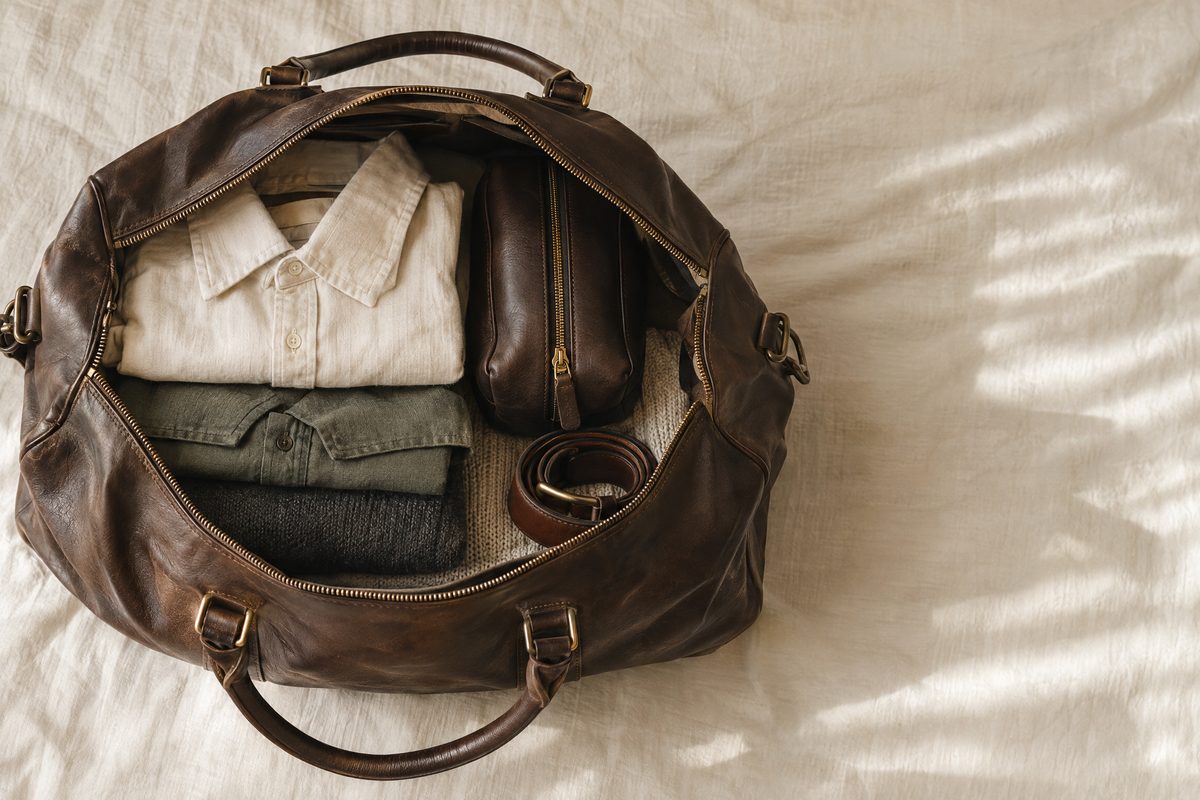
- Flexible interior: you can jam in a rolled sweater, a pair of shoes, and a wash kit without worrying about rigid corners.
- Quick access: top openings make it easy to pull things out mid-trip.
- Carry versatility: top handles for short hauls, shoulder strap for hands-free travel.
Whether you’re packing a leather overnight bag or a canvas duffel, the same principles apply: pack smart, choose a material to match how you use the bag, and keep weight reasonable.
What to pack in a weekend travel bag
- 2–3 tops (layering works best)
- 1 pair of pants and 1 pair of shorts or alternate bottoms
- Underwear and socks for each day
- One pair of shoes (wear the heavier pair while traveling)
- Toiletry kit in a small cosmetic bag
- Charger, small electronics, and wallet
Packing light and using compartments will make your duffel perform like a pro.
Caring for Your Travel Bag (Materials, Sizes, and Uses)
A bit of care keeps a duffel looking and working well for years. The duffel bag history is largely about longevity—bags were made to last. Follow these basic rules depending on material:
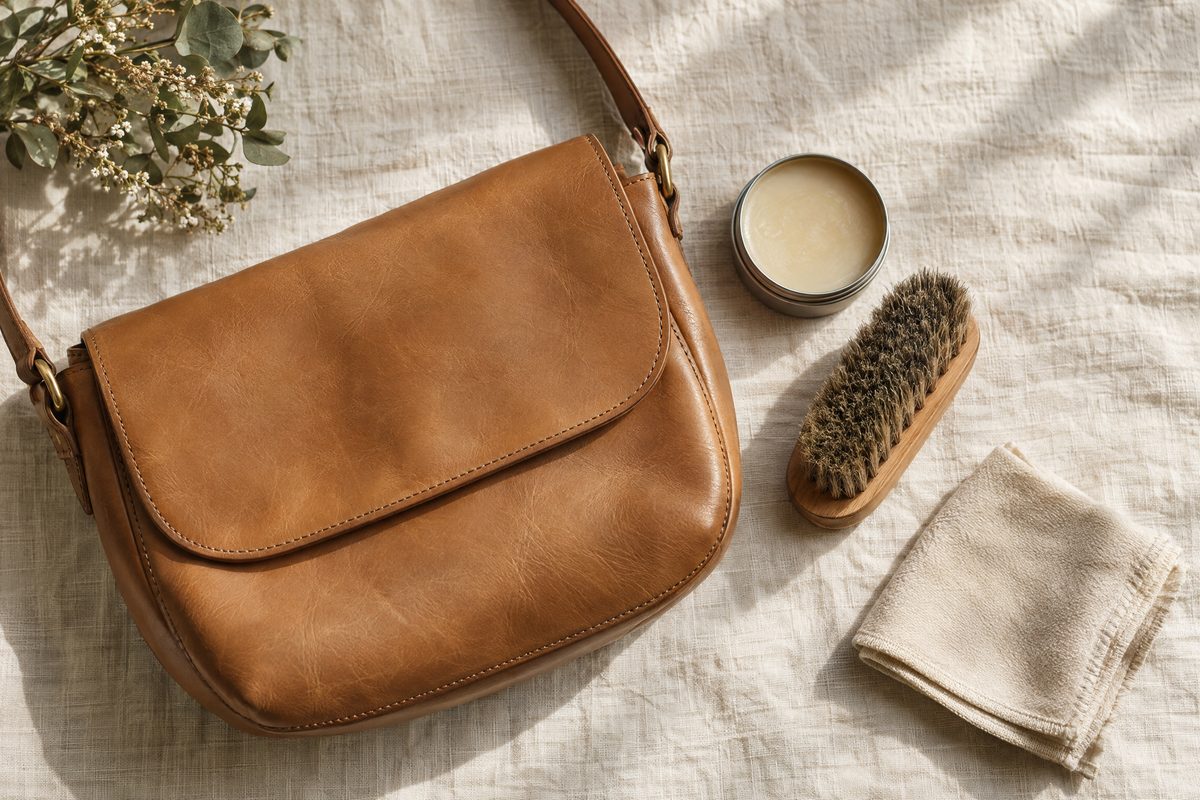
- Leather and suede: wipe clean with a damp cloth, condition sparingly, and keep away from prolonged moisture. Store in a cool, dry place.
- Canvas: spot clean with mild soap and water; consider a fabric protector for waxed canvas.
- PU leather: wipe clean and avoid prolonged sun exposure.
Quick care checklist
- Empty and air out after trips
- Brush off dirt and debris before storing
- Treat stains promptly, following material-specific guidance
Size and material quick reference
| Material | Typical feel | Best for | Care notes |
|---|---|---|---|
| Genuine cowhide | Sturdy, ages well | Daily use, travel | Wipe, condition occasionally |
| Split leather | Affordable leather look | Stylish travel bags | Keep dry, spot clean |
| Canvas | Lightweight, casual | Weekend trips, outdoor use | Spot clean, air dry |
| PU leather | Budget-friendly, smooth | Fashion-forward bags | Wipe clean |
Choosing the Right Travel Bag for You
Not every duffel fits every trip. Think about how you'll use the bag: commute, gym, weekend, overnight travel, or a carry-on for a short flight. Here are practical pointers:
- Start with intended use: pick capacity around 20–45 liters for a weekend travel bag.
- Match material to lifestyle: leather for polished looks, canvas for rough-and-ready use.
- Look for reinforced stitching at handles and strap attachments—those spots take the most wear.
- Consider pockets and organization versus a single large cavity; pick what helps you stay organized, not what just looks tidy.
If you’re bridging styles (say, a bag that looks right on a farm stand and a downtown coffee shop), a midweight canvas with leather trim is a classic choice.
Practical Packing Tips
- Roll shirts to save space and reduce creases.
- Use a small cosmetic bag for toiletries to keep spills contained.
- Pack shoes in a separate pouch or at the very bottom to keep garments clean.
- Place heavier items near the center base of the bag for better balance.
These small habits make any duffel feel more like a well-designed travel bag.
Where to Find Yours
If you’re ready to try a duffel that’s made for real use, stop by Tin Bucket Mercantile at 222 Main Street, Dallas, GA 30132, or browse our selection online. We carry an honest range of travel options—from rugged canvas to leather overnight bags—so you can pick a travel bag that fits how you live. Visit our online shop at shop all bags or learn more about our small-town roots on our story. If you have questions, please contact us or call +1 404-409-5154.
Tin Bucket Mercantile is proud to offer travel bags that embrace the same practical spirit found in the duffel bag history: sturdy, straightforward, and built to go where you go.