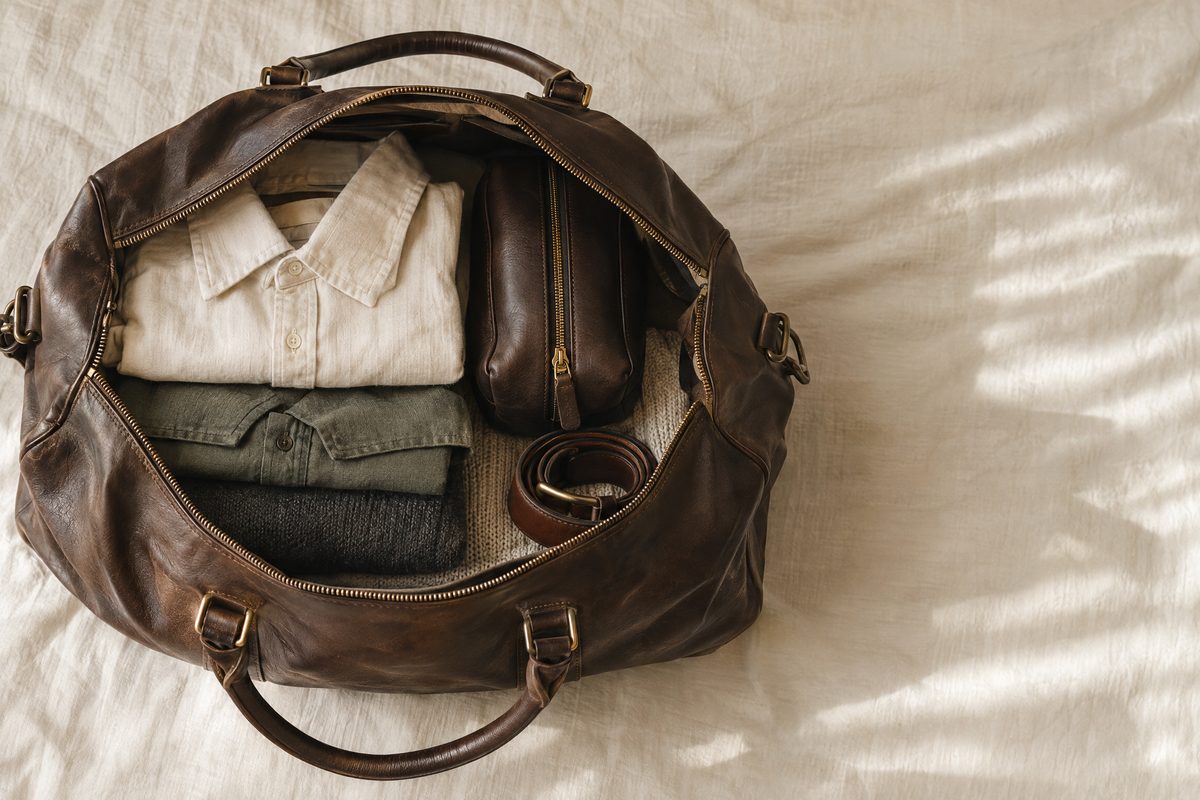
Packing light and smart starts with one good decision: picking the right carry-on travel bag and knowing how to organize it. Whether you're heading out for a weekend road trip or a short nonstop flight, this guide walks you through choosing, packing, and stowing everything you need without the hassle.
Choosing the right carry-on travel bag
Before you pack, pick a bag that fits your needs. A proper carry-on travel bag should match airline size limits, your travel style, and how you move — city streets, train platforms, or dusty trails.
Size and compliance
- Measure your airline's carry-on requirements before you buy or pack. A bag that looks small can still push weight limits.
- For weekend travel, consider a 20–40 liter duffel or compact weekender. For more structure, a small carry-on backpack works well.
Material and construction
- Canvas and leather stand up to wear and look better with time. Our travel bags are built to handle repeated use without fuss.
- Look for sturdy zippers, reinforced handles, and a comfortable strap. A bag that sits well on your shoulder makes a big difference when you’re on the move.
Purpose and pockets
- If you like to keep things separate, choose a bag with interior dividers or external pockets for quick essentials.
- Want something versatile? A travel bag that doubles as a gym duffel or overnight bag keeps life simple.
If you don’t have the right bag yet, browse our selection of travel bags and other options across the shop at shop all bags.
How to Pack a Carry-On Travel Bag: Basics
Packing well is about priorities and placement. Start by deciding what you must have with you and build around those items.
Start with a plan
- Lay out everything you think you need. Seeing it all helps you cut duplications and pick multi-use items.
- Group items by category: clothing, toiletries, electronics, documents, and extras.
Clothing — what to bring and how to pack it
- Choose versatile pieces that mix and match. Neutral colors and layers work best.
- Limit shoes to two pairs: what you wear on travel day plus one packed pair.
- Roll softer garments to save space and reduce wrinkles.
Toiletries and personal care
- Use travel-size containers and place them in a clear pouch or a small cosmetic bags to keep leaks contained and security screening smooth.
- Pack essential medications and a small first-aid item in an easy-to-reach pocket.
Electronics and documents
- Keep chargers and important cords together in a small pouch. Pack them near the top of your bag for quick access at security.
- Important papers, tickets, and passport should go in an inside pocket or a slim organizer.
Packing order and placement
- Heavy items (shoes, toiletry kit in a dense case) belong at the bottom near the bag’s center — this stabilizes the load.
- Place frequently used things, like a sweater or a book, on top for quick reach.
Advanced carry-on travel bag packing hacks
Once you have the basics, these small habits shave stress and space from every trip.
Use packing cubes and compression
Packing cubes keep outfits together and make it easy to find things without emptying your bag. Compression cubes are useful when you need to squeeze an extra layer into a full bag.
Wear bulky items and layer on travel day
If you’re taking a jacket or heavy shoes, wear them while you travel to free up space inside the carry-on travel bag.
Zipper technique and weight distribution
- Zip external pockets only after you’re through security, so you can access documents or snacks quickly.
- Distribute weight evenly so the bag sits comfortably on your shoulder or in an overhead bin.
Quick-access essentials list
- Phone, wallet, boarding pass, and keys in an external or top pocket.
- Snacks and a refillable water bottle (empty through security) in a side pocket.
Small table: Packing method quick comparison
| Method | Best for | Downsides |
|---|---|---|
| Roll | Maximizes space, reduces wrinkles for knits | Not as neat for structured items |
| Fold | Good for shirts and blazers | Can take more space, creases more |
| Compression cube | Squeezes in extra layers | Adds weight and pressure on fabrics |
A weekend travel bag checklist (practical list)
- 2 tops (one dressier, one casual)
- 1 pair of pants or skirt
- 1 light sweater or jacket
- 2 sets of underwear and socks
- 1 pair of shoes (plus travel pair)
- Travel-size toiletries in a sealed pouch (cosmetic bags work well)
- Phone charger, earbuds, power bank
- Wallet, ID, travel documents
- Reusable water bottle
- Sunglasses and a small umbrella (seasonal)
Adjust quantities for longer trips and swap items for destination-specific needs (beach, hiking, business).
Tips for duffel bag packing and weekend travel bag use
Duffel bag packing tips center on making use of the open space and controlling movement of items inside the bag.
- Use a shoe bag or wrap shoes in a cloth to protect clothing.
- Pack denser items in the center and softer items around them to prevent shifting.
- If your duffel has a U-shaped opening, separate clean and dirty clothes into different packing cubes for quick access.
Small details matter: a waterproof liner helps on rainy trips, and a bag with a reinforced base holds up when you set it on rough surfaces.
Security, airport rules, and smart checks
- Liquids must follow the 3-1-1 rule for carry-ons: 3.4 oz (100 ml) or less per container; all containers in a single quart-size, clear plastic bag.
- Keep medication and medical devices in original containers or have a note from your physician if needed.
- Bring a printed boarding pass or ensure your phone is charged for mobile boarding.
Caring for your carry-on travel bag
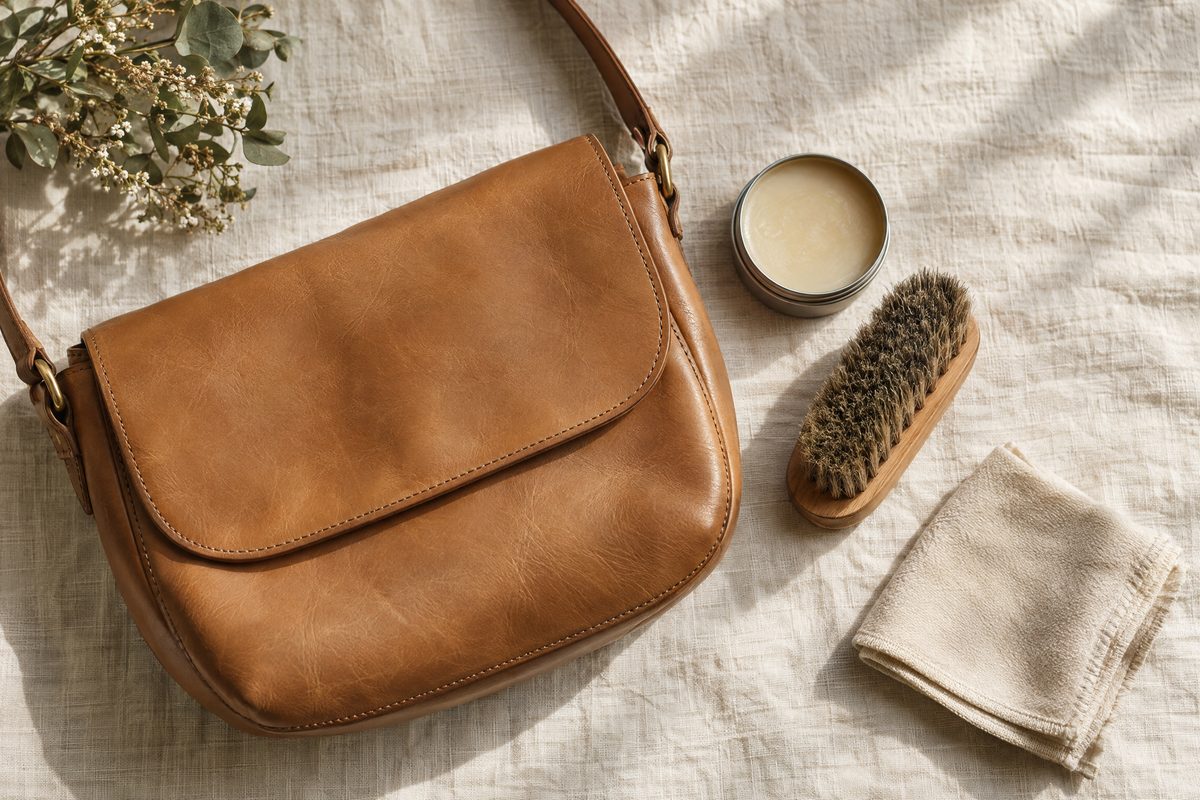
A well-made bag is an investment. Keep leather and canvas clean and conditioned to extend life.
- Wipe canvas with a damp cloth; spot-clean stubborn marks gently.
- For genuine leather, use a recommended leather cleaner sparingly and store the bag empty in a cool, dry place.
- Check zippers and seams before trips to avoid surprises at the gate.
Where to Find Yours
Tin Bucket Mercantile keeps a small, practical selection of travel-ready bags built for real trips. Stop by our Dallas, Georgia store at 222 Main Street, Dallas, GA 30132, or browse travel-ready travel bags online. If you have questions about sizing or materials, visit our store location page or contact us and we'll help you pick the right bag.
If you’d like more packing tips or product notes, our team is happy to help — we keep things simple, sensible, and ready for the road.
Carry-On Travel Bag Sizing & Material Guide
Choosing the right size and material for a carry-on travel bag is about matching the bag to how you travel. Typical liter ranges and their practical uses:
- 20–30 L: Ideal for minimalist weekend trips or day-focused itineraries where you only need a few outfit changes.
- 30–40 L: Versatile for most 2–4 day trips, offering more structure and room for a pair of shoes and extra layers.
- 40+ L: Better for longer travel when you need more gear; check airline size and weight limits carefully.
Materials affect weight, care, and appearance. Quick comparison table:
| Material | Pros | Cons | Best for |
|---|---|---|---|
| Canvas | Durable, ages well, lighter than leather | Can stain, less water-resistant unless treated | Everyday travel, casual style |
| Leather | Very durable, polished look, structured | Heavier, requires conditioning | Business trips, refined appearance |
| Synthetic (nylon/polyester) | Lightweight, water-resistant, easy care | Less character over time | Active travel, budget-conscious travelers |
When picking a carry-on travel bag, also consider strap comfort, base reinforcement, and how the interior pockets fit your routine. A bag that fits under an airline seat but expands easily into an overhead bin gives you the most flexibility.
Common Packing Mistakes to Avoid
Avoid these common errors to make the most of your carry-on travel bag and reduce stress:
- Overpacking “just in case.” Pare down by choosing multi-use items and planning outfits rather than packing for every scenario.
- Ignoring airline size or weight limits. Even a compliant bag can be denied for weight—weigh your packed bag at home.
- Packing liquids loosely. Use a sealed quart bag and stow it near the top for quick screening.
- Shoving chargers and small items in random pockets. Keep electronics and cords in a labeled pouch so you don’t waste time searching.
- Placing valuables at the bottom. Keep important items like passports and electronics in easy-to-reach, secure pockets.
- Not balancing weight. Uneven loads make the bag uncomfortable and may cause strain on zippers and seams.
Correcting these mistakes keeps your bag functional and extends its lifespan while ensuring that your travel days are less hectic.
Frequently Asked Questions
How can I maximize space in a carry-on travel bag without causing wrinkles?
Rolling soft garments, using packing cubes, and choosing fabrics that resist creasing are the best strategies. Roll T-shirts, sleepwear, and casual knits tightly; nest socks and underwear inside shoes. Place structured items like blazers or dress shirts on top or wear them during travel if possible. Compression cubes can add space but use them sparingly with delicate fabrics. Finally, unpack hanging clothes as soon as you arrive to relax fibers and reduce wrinkle setting.
What size carry-on travel bag works for a week-long trip?
For a week-long trip, many travelers use a 30–45 liter carry-on travel bag if they pack conservatively and plan laundry stops. A 40–45 L bag gives room for an extra pair of shoes and more outerwear; a 30–35 L bag forces stricter packing choices and works well if you rely on versatile clothing and quick laundry. Always check airline size and weight rules—some carriers restrict bags that are within dimensional limits but have weight thresholds.
Can I bring liquids and medications in my carry-on travel bag?
Yes. Follow the 3-1-1 liquids rule for general toiletry containers: 3.4 oz (100 ml) or less per container in a single quart-size, clear plastic bag. Prescription medications and essential medical supplies are allowed in carry-on bags in reasonable quantities; keep them in original containers when possible and pack a doctor’s note if you anticipate questions. Place medications and small medical devices in an easily accessible pocket to speed up security checks.