The small wallet trend has quietly changed the way many of us carry our essentials. From slim cardholder wallets to compact zip pouches, shoppers are choosing less bulk and more sense—without sacrificing durability or style. This article walks through why the shift matters, how to pick the right small wallet, and practical tips to make the change stick.
Why the small wallet trend matters
There’s a simple, practical appeal behind the small wallet trend: lighter pockets, less clutter, and a closer fit with what people actually use. Whether you’re grabbing a quick coffee, hopping on a bike, or packing for an overnight, a smaller wallet feels better and gets out of your way.
Key practical benefits
- Comfort: Slim wallets reduce pocket bulge and make sitting, walking, or carrying a bag easier.
- Organization: Fewer slots force you to keep only what you need—no more digging for the right card.
- Security: Less surface area means fewer targets for pickpockets, and many small designs keep cards snug and layered.
- Versatility: Small wallets fit in coat pockets, small handbags, and even a back pocket when you don’t want a full purse.
These advantages are why the small wallet trend keeps showing up in everyday carry conversations and wallet trends coverage. For shoppers who still need a little space, a compact wallet from our shop all bags selection can strike the right balance.
Small wallet trend: what to carry and what to leave behind
One of the biggest hurdles when switching to a smaller wallet is deciding what really matters. Think of a small wallet as a tiny workshop: it holds your most-used tools—not everything in the toolbox.
Essentials to keep in a small wallet:
- Primary debit or credit card
- One backup card (or a two-card rotation system)
- ID (driver’s license or state ID)
- A small amount of cash folded flat
- A transit or access card if you use one daily
What to leave behind:
- Store loyalty cards you rarely use (most places can look you up with a phone number)
- Receipts older than a week unless needed for returns
- Excess business cards—carry a few or move them to a dedicated holder
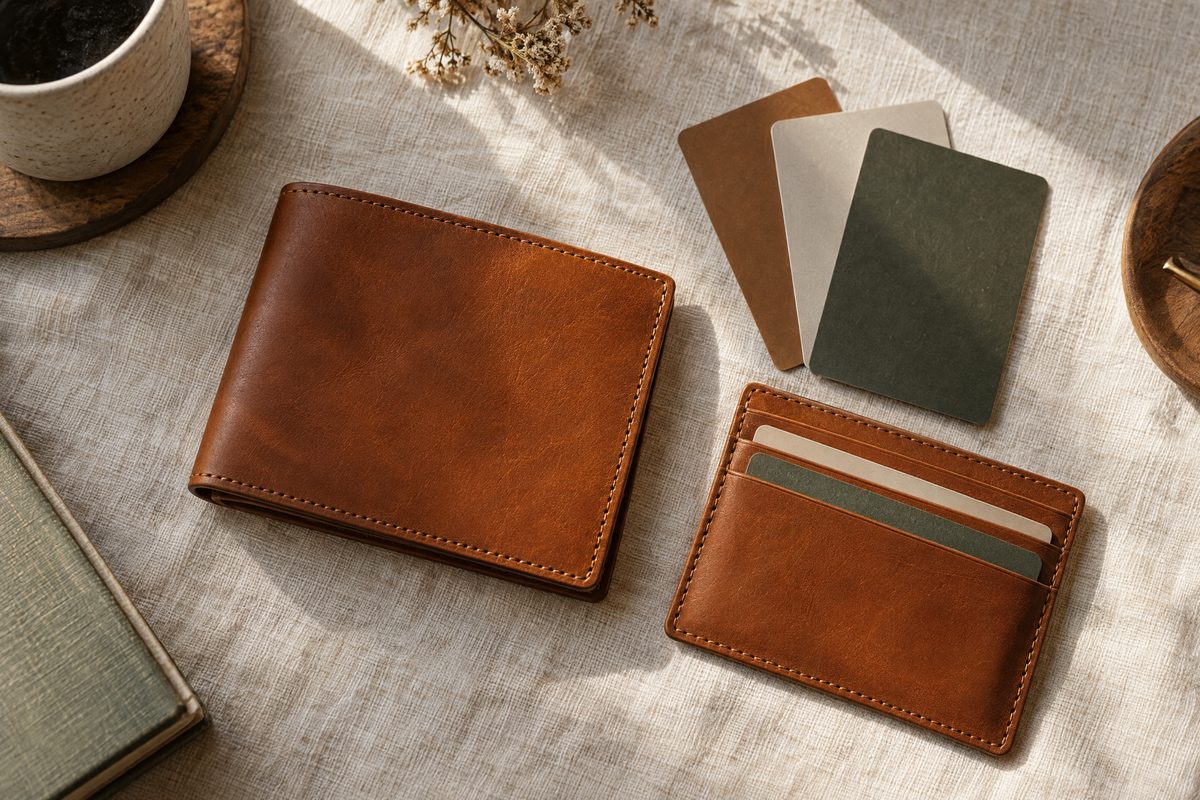
If you need more organization than a bare cardholder wallet offers, consider a slim bifold or zip card sleeve that holds a bit more without returning to bulky wall-wallet habits.
Quick comparison table
| Type | Best for | Capacity | Typical price range |
|---|---|---|---|
| Cardholder wallet | Everyday minimalists | 2–6 cards | $6–$35 |
| Slim zip wallet | People who carry occasional cash | 4–8 items + coins | $20–$60 |
| Compact bifold | Those who want a fold but less bulk | 6–10 cards + cash | $25–$120 |
This tiny chart can help you see where common wallet types fall on the spectrum of the small wallet trend.
Materials, durability, and everyday use
When you commit to a smaller wallet, materials matter. A compact wallet takes daily handling—slipping in and out of pockets, rubbing against keys, or riding in a shoulder bag. Choosing the right material helps your wallet look good and last.
Common materials we see and why they work:
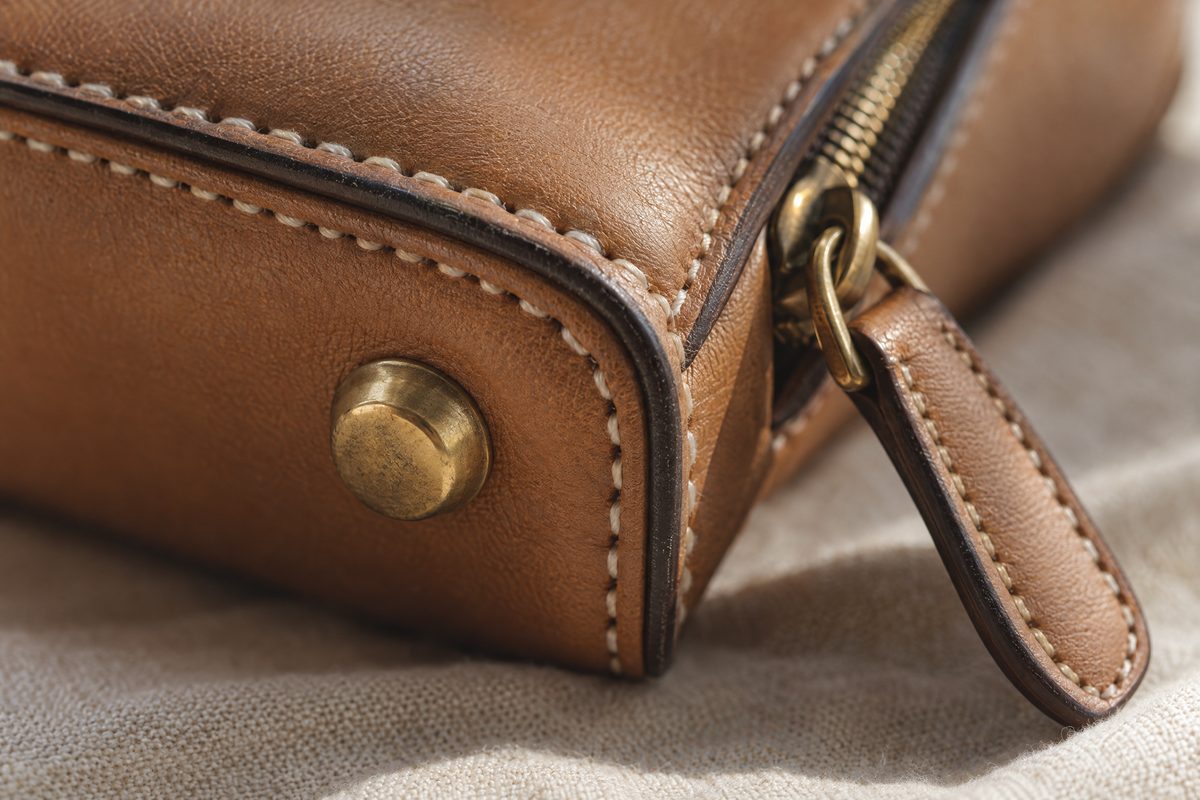
- Genuine cowhide leather: Ages nicely, strong stitch retention, and develops character over time.
- Split leather and suede: Often more affordable and soft to the touch; suede has texture but needs a bit more care.
- PU leather: Budget-friendly and easy to clean, though it won’t develop the same patina as natural leather.
- Canvas: Durable, lightweight, and a good match for casual or workwear styles.
A few practical notes on durability and maintenance:
- Check stitching and edge finish—tight stitching means longer life.
- For leather, a light conditioning every few months keeps it supple; avoid over-saturating.
- Canvas and PU clean with a damp cloth and mild soap when needed.
These are the same honest, practical materials we use in our own small wallet designs, which reflect the hands-on spirit of our mercantile.
How to choose between a cardholder wallet, a slim bifold, or a zip
Picking a small wallet comes down to matching features to how you live. The small wallet trend covers a range of styles, so think about access, capacity, and the kinds of situations where you use your wallet most.
By lifestyle
- For daily commuters: a thin cardholder wallet that holds your transit card and two main cards keeps things fast at taps and ticket machines.
- For travelers: a slim zip wallet that secures cash, a passport card, and a few cards can be ideal for short trips.
- For nights out: a minimal wallet or wristlet that fits a phone and a card reduces what you carry while keeping essentials secure.
Features to evaluate
- Number of card slots and whether they allow easy thumb access
- Whether the design supports contactless cards without removing them
- If you need a coin pocket or prefer to carry coins separately
- Closure type (snap, zipper, or open) depending on how secure you want it
These considerations follow broader wallet trends: people are trimming down, but still expect functionality and quality. Our small wallet collection spans affordable cardholder wallets to sturdier leather slim bifolds, so you can pick according to use and budget.
Practical tips for transitioning to a small wallet
Making the change is part habit and part planning. Here’s a short, practical plan to help you switch without losing what you need.
- Audit: Empty your current wallet and photograph the contents. This gives you a clear sense of what you actually carry.
- Prioritize: Mark the three to six items you use daily—those go in the new small wallet.
- Digitize: Where possible, add loyalty cards and receipts to mobile apps or take photos of important documents.
- Trial run: Use a cardholder wallet for a week before committing. Put the rest of your cards in an easily accessible box at home.
- Adjust: If you miss something often, consider a slightly larger slim wallet rather than the smallest option.
Budget tip: You don’t have to spend a lot to try the small wallet trend. Our selection ranges from wallet-friendly options at $6 to higher-end leather pieces up to about $120, so you can test a style without a big investment.
Small wallet sizing and fit checklist
Before you buy, measure and test: a wallet that fits poorly defeats the purpose of the small wallet trend. Use this quick checklist while shopping or trying designs at home:
- Measure your typical pocket: width and depth. A common cardholder size is about 4 x 3 inches; most slim bifolds fold to roughly 3.5–4 inches wide.
- Thickness target: for front-pocket carry, aim for under 0.5 inch when loaded (about 6–8 cards). If you need 8–10 cards, accept a slightly thicker profile.
- Card capacity test: place the cards you use daily in the candidate wallet and simulate real use—insert and remove them ten times to check access and stretch.
- Cash compatibility: fold a typical bill once or twice and slide it in; many slim wallets handle two to four folded bills without bulging.
- Phone case and pocket compatibility: try sliding the wallet into the same pocket you use for your phone to ensure comfortable carry; some slim wallets pair well with phone cases, others make pockets crowded.
Carrying less works only if the wallet fits the way you live. This checklist helps you size accurately and choose a model that supports a smoother transition.
Common mistakes to avoid when downsizing your wallet
A few frequent missteps can make the switch harder than it needs to be. Avoid these common pitfalls:
- Trying the absolute smallest wallet first: start with a modest reduction in size and work down. Too-small wallets can push important items back in your full-size wallet.
- Forgetting to replace frequently used cards: double-check subscriptions, transit passes, or workplace access cards before removing them.
- Keeping unnecessary paper: receipts and old warranties add bulk—scan or toss them weekly.
- Ignoring material and stitching: choosing a bargain with poor stitching often means replacing the wallet sooner, defeating the purpose.
- Not testing contactless functionality: if you rely on tap-to-pay, confirm that cards remain functional in the new wallet’s layers.
Avoiding these mistakes makes the small wallet trend feel practical rather than limiting—so the change lasts.
Materials and maintenance comparison
| Material | Durability | Care | Best for |
|---|---|---|---|
| Genuine leather | High; develops patina | Light conditioning, keep dry | Everyday use, classic look |
| Suede / Nubuck | Medium; shows wear | Brush gently, avoid moisture | Casual styles, textured finish |
| PU leather | Medium-low; resists stains | Wipe with damp cloth | Budget picks, easy clean |
| Canvas | High; resists abrasion | Spot clean, avoid bleach | Casual/utility wallets |
| Nylon | High; water-resistant | Wipe clean, air dry | Active or travel use |
Use this table when weighing how much maintenance you’ll accept against the look and longevity you want. The small wallet trend is as much about simplifying care as it is about reducing bulk—materials that match your routine will serve you best.
Where to Find Yours
If you’re ready to try the small wallet trend, stop by Tin Bucket Mercantile at 222 Main Street, Dallas, GA 30132, or browse our online selection. We carry a range of practical options—from simple cardholder wallets to slim bifolds—made in materials like cowhide, suede, PU leather, and canvas.
Visit our store in person via the store location page or see the wallet collection online at wallets. If you want a broader look at what we offer, check out shop all bags. You can also learn more about our small-town approach on our story.
Have questions? You can reach us at [email protected] or +1 404-409-5154. Drop in, and we’ll help you find the small wallet that makes daily life a little neater and a lot more practical.
Frequently Asked Questions
How many cards should I carry in a small wallet?
Aim for three to six cards in most small wallets. Carry your primary debit or credit card, one backup card, and your ID as essentials. If you need a transit card daily, include that as well. A slot or two for a loyalty card can still work, but the goal of the small wallet trend is selective carrying: keep what you use regularly and store extras at home in an organized place. This balance minimizes bulk while keeping you prepared.
Will a small wallet protect my cards and cash as well as a larger one?
Yes—when you choose a quality design. Many small wallets feature snug card slots or zip closures that hold cards and cash securely. Durable materials and tight stitching reduce the risk of wear and accidental loss. If security is a primary concern, opt for a zip or snap closure and test slots for snugness. For contactless cards, check that layering doesn’t affect tap payments; many small wallets are designed to support modern payment methods.
I travel frequently—can a small wallet work for me?
A small wallet can be an excellent travel companion if you pick the right type. Slim zip wallets or travel-specific cardholders that include a secure compartment for a little cash and a passport card work well for short trips. For longer travel, combine a compact wallet with a slim travel organizer at home to hold additional cards, documents, and receipts. The small wallet trend helps you streamline everyday carry while using a second, organized place for less-frequent items during trips.